%201.avif)

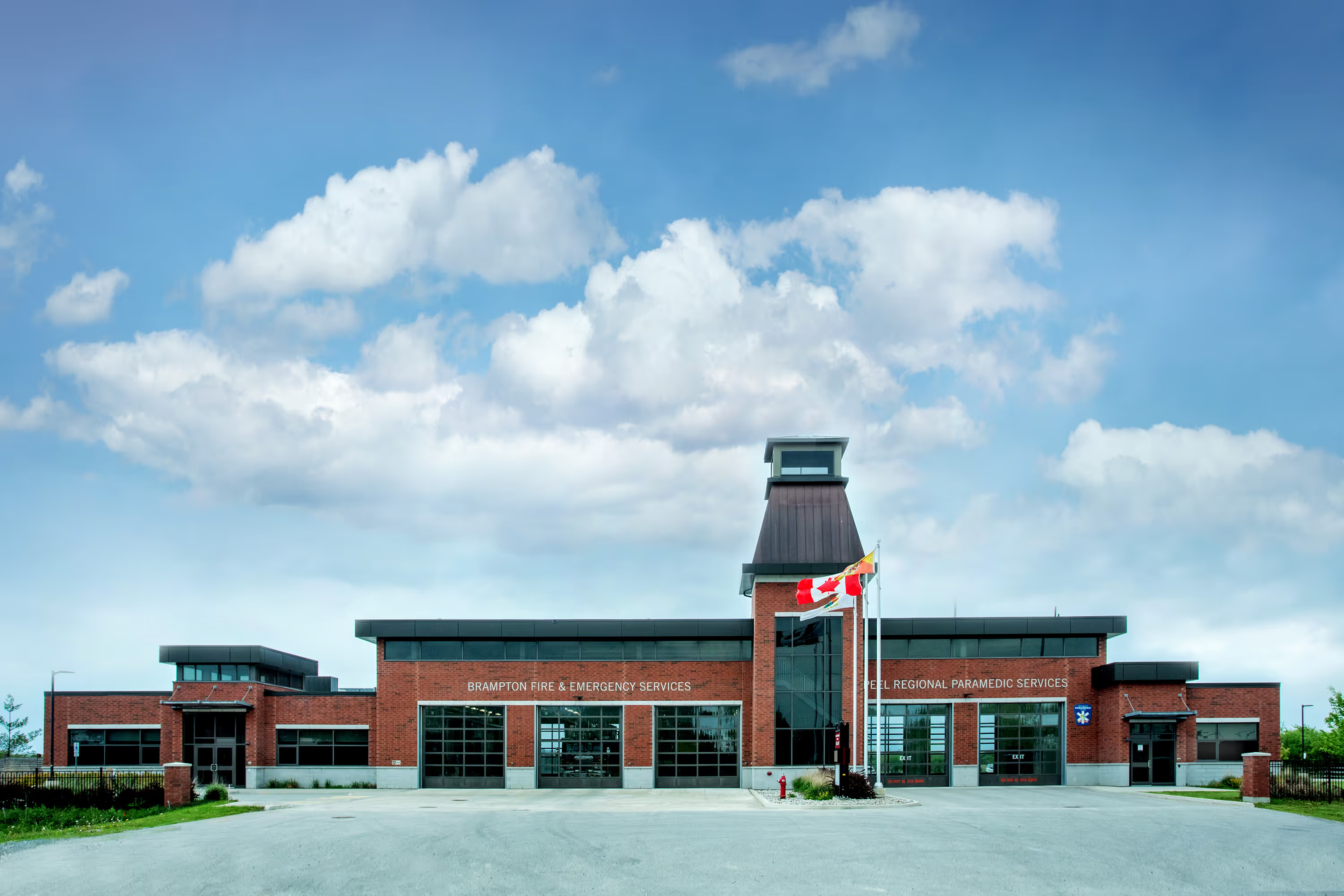
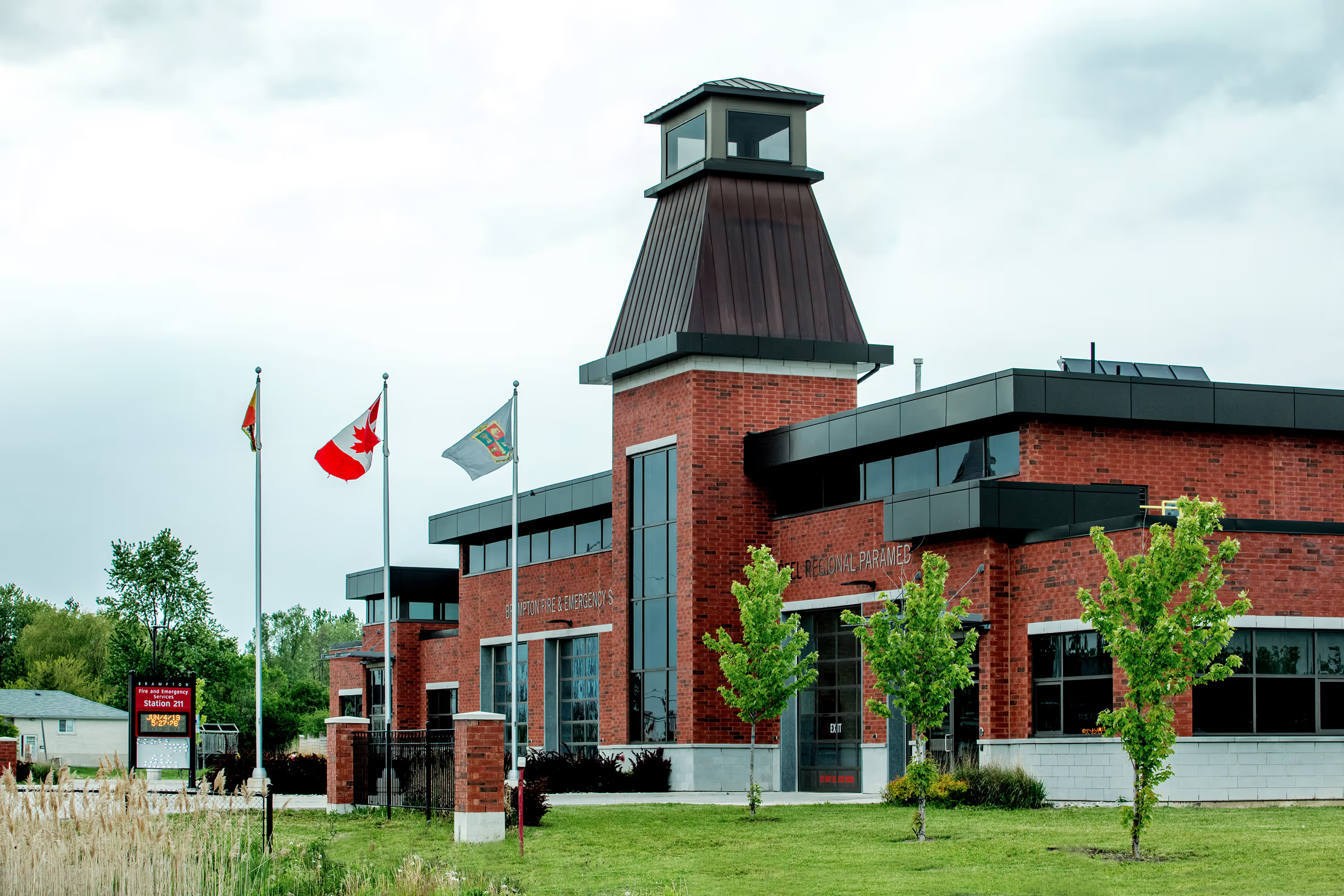
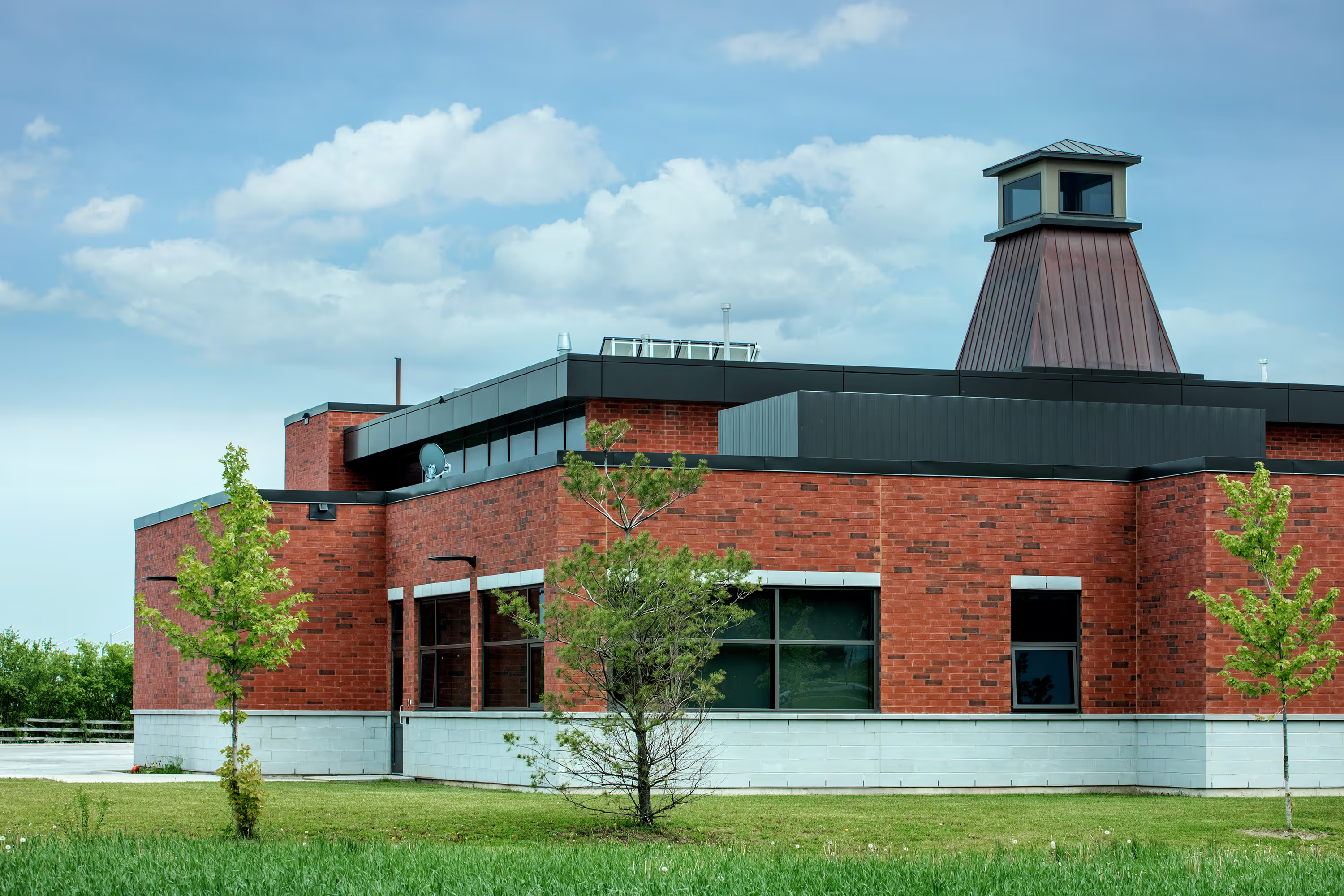
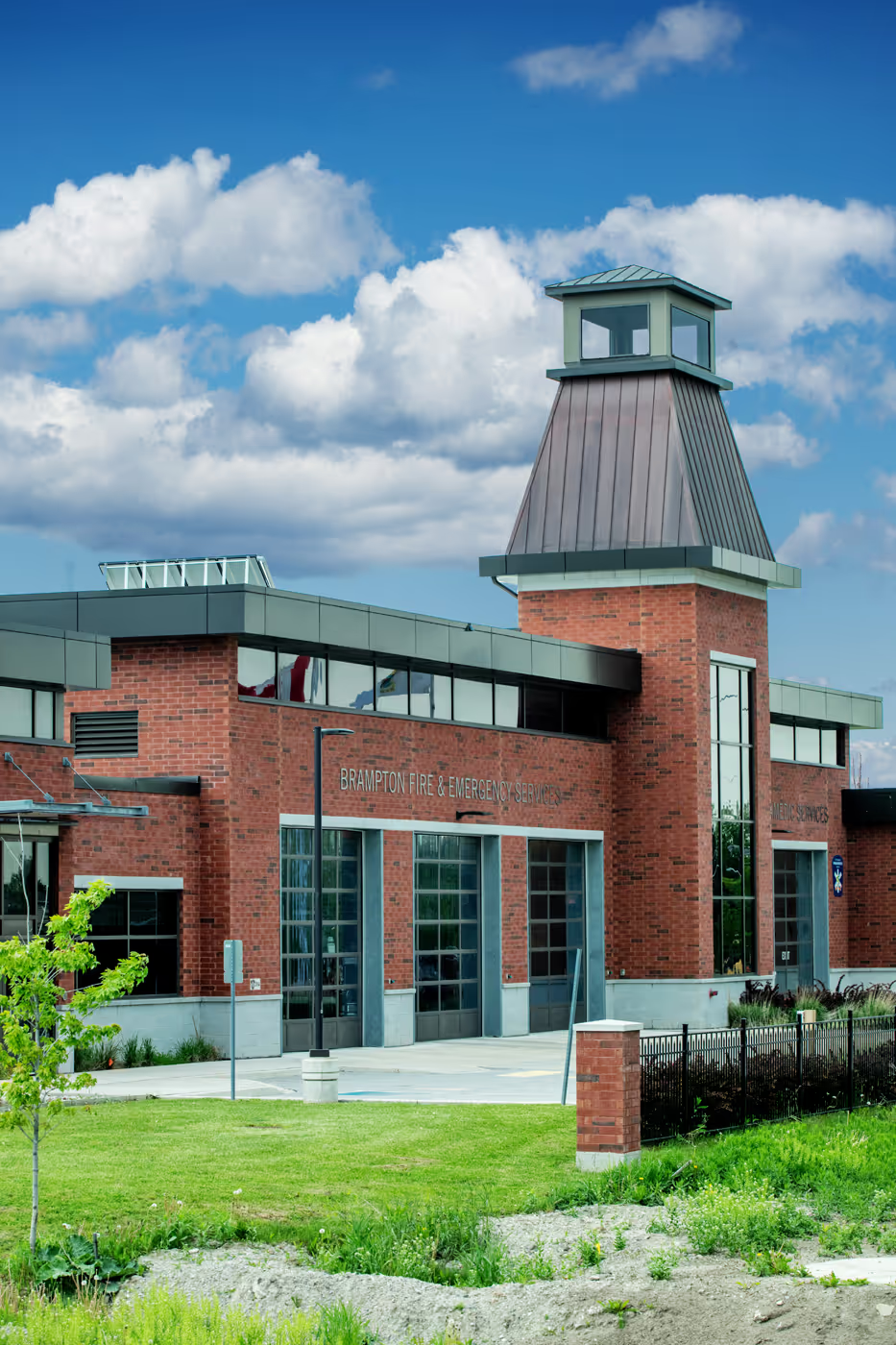
Dawn over The Gore Road brings quiet fields, a trace of mist, and a red-brick hall that promises readiness. Fire Station 211 and Peel Paramedic Services Satellite Station stands at Brampton’s northern threshold as a steady landmark—confident, welcoming, and shaped by the people who serve within it.
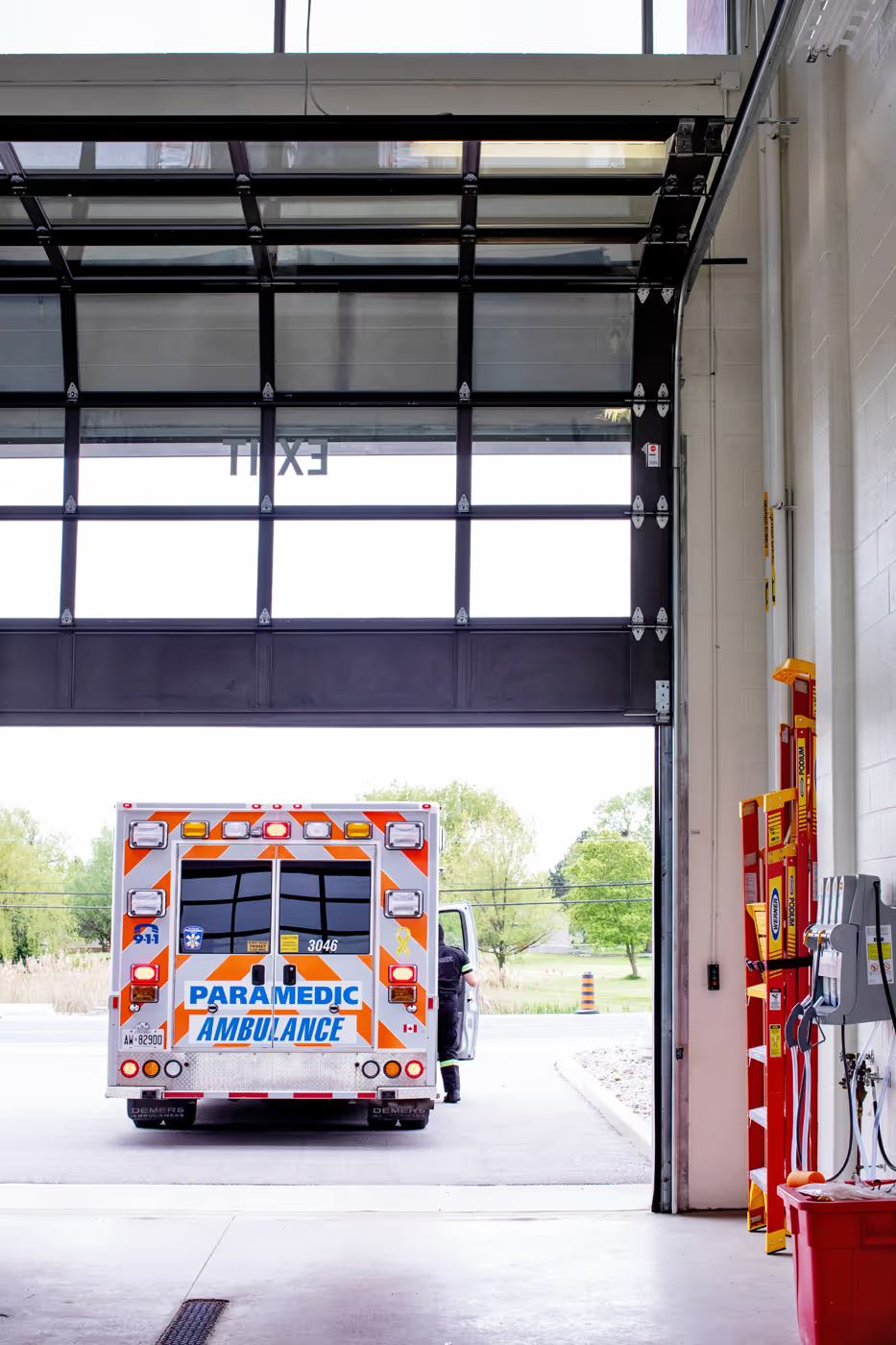
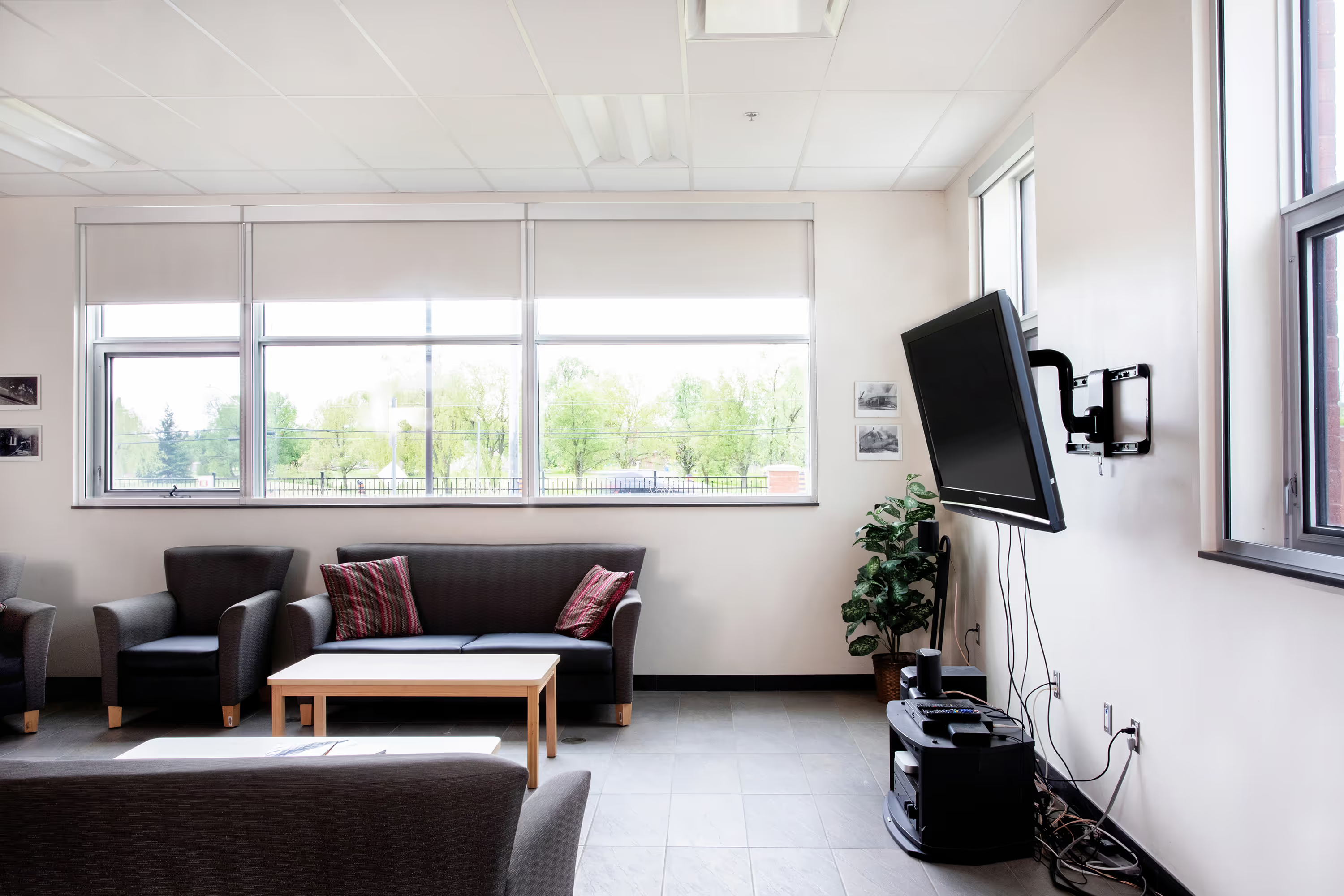
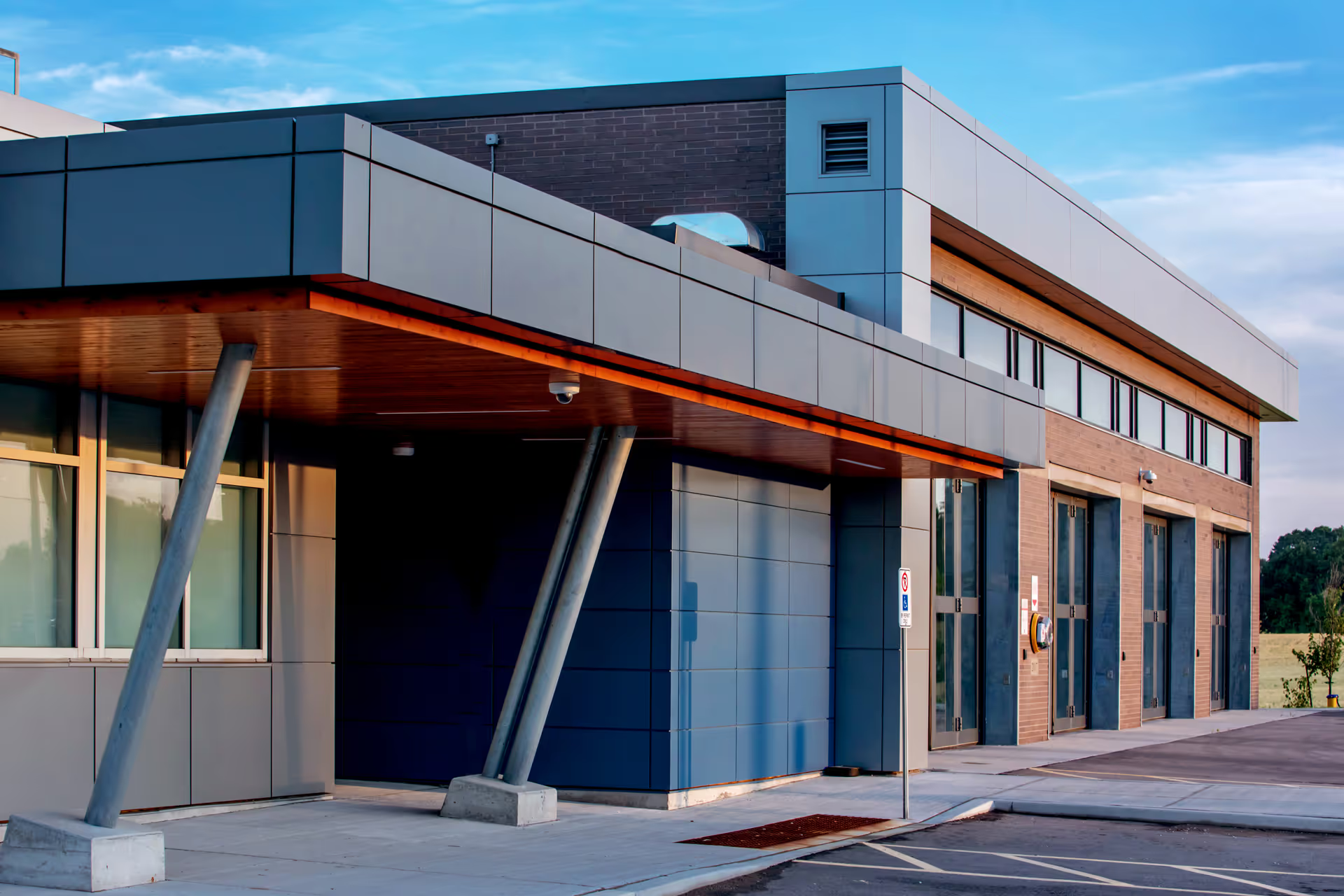
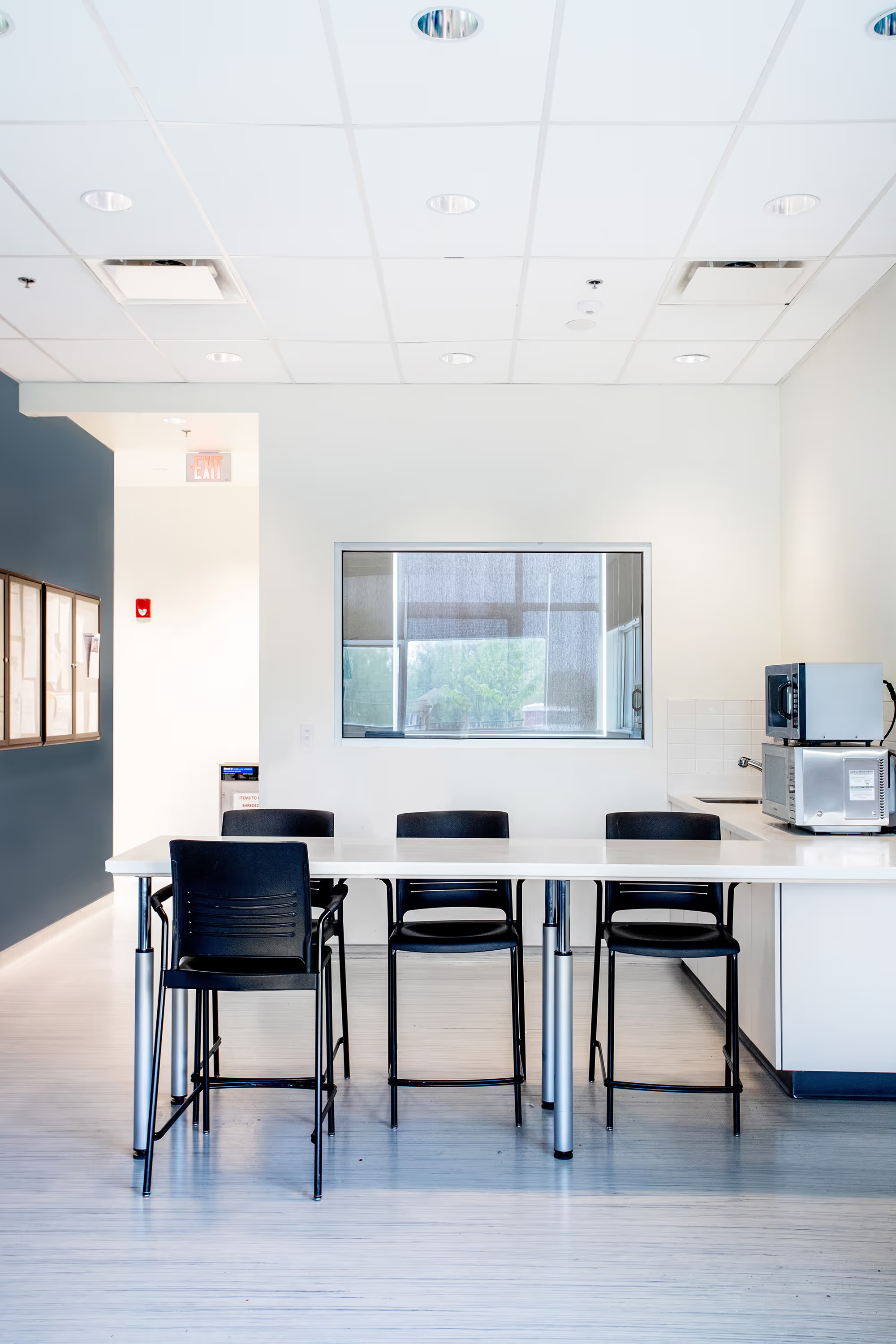
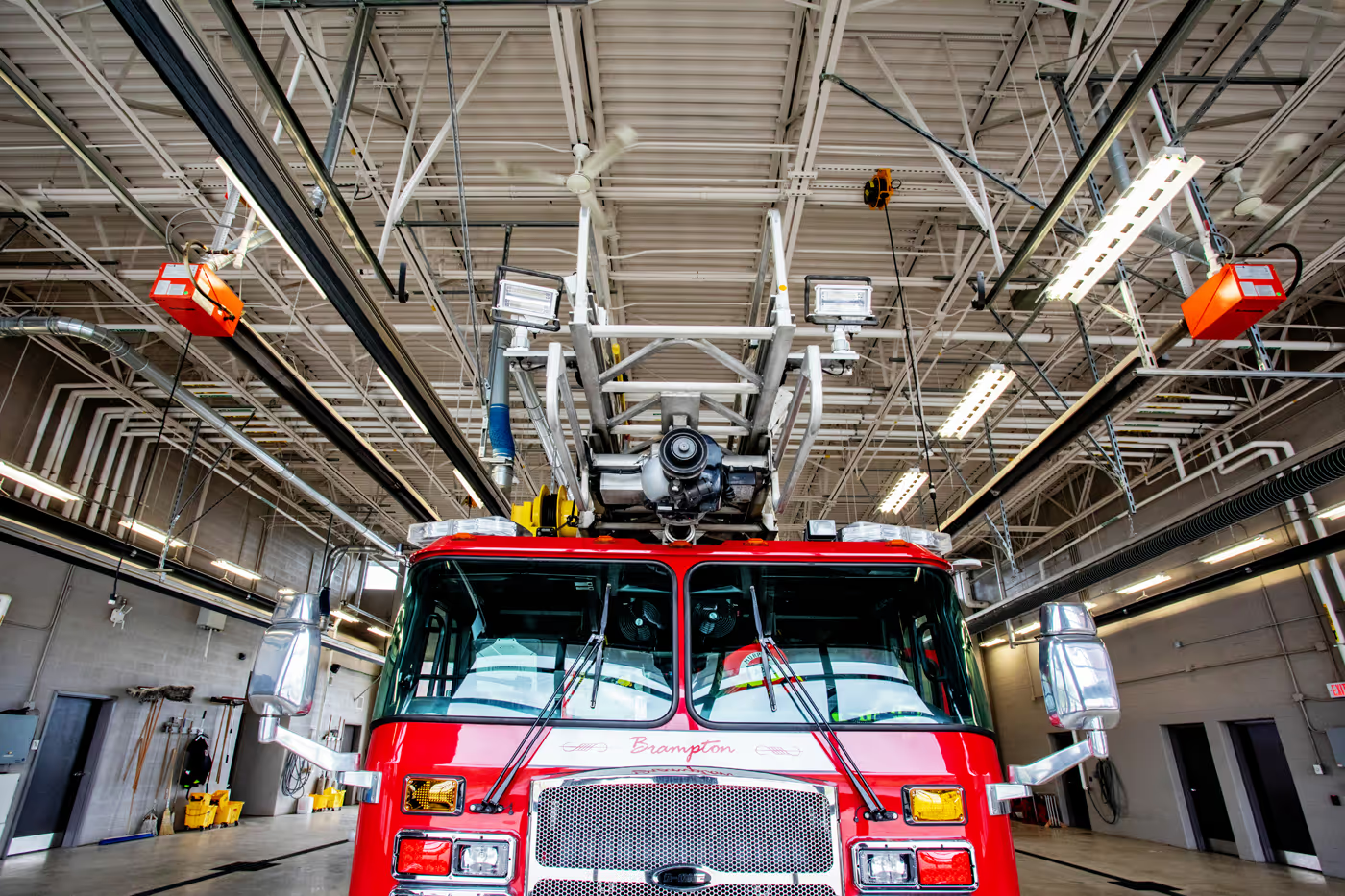
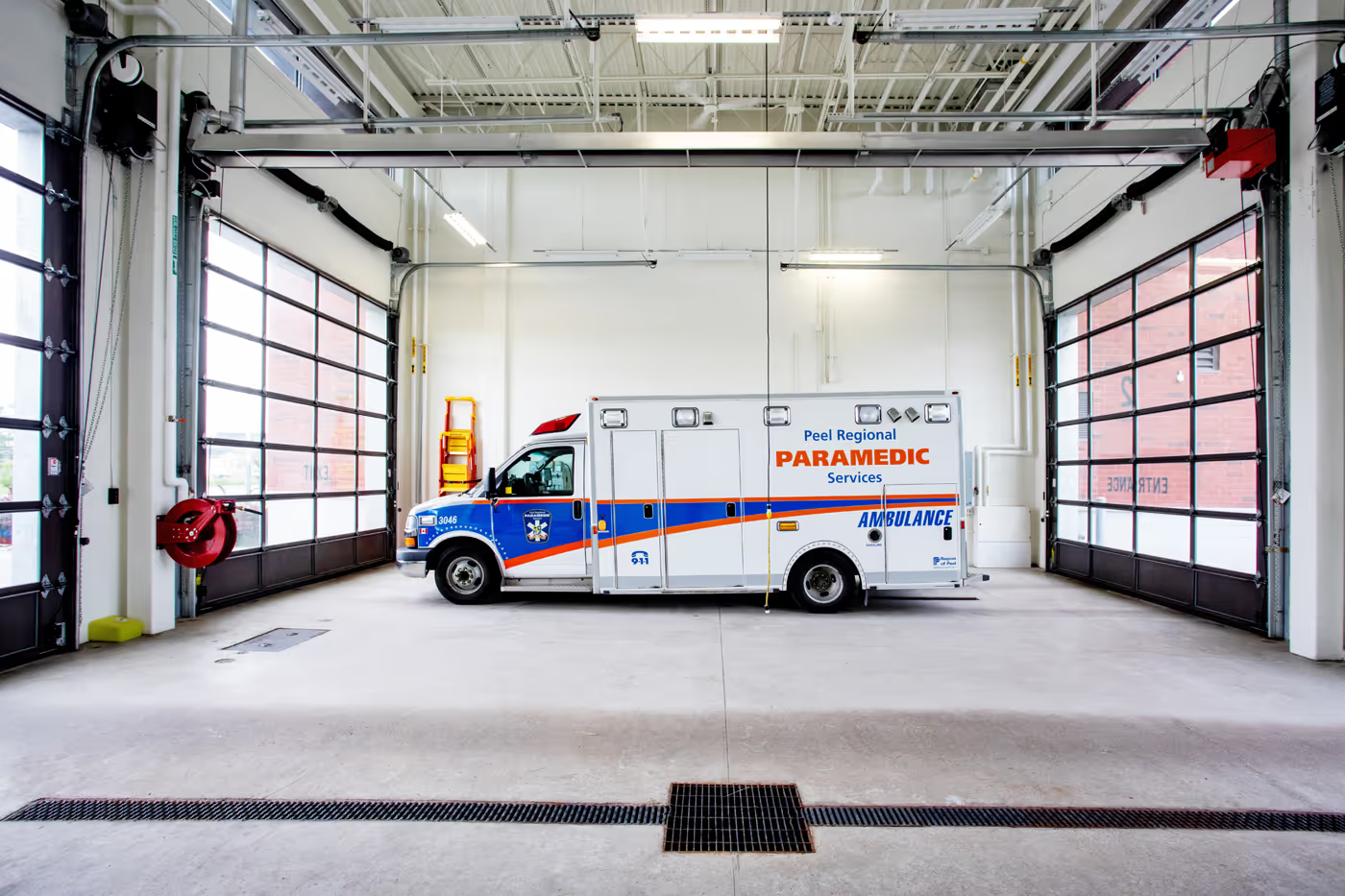
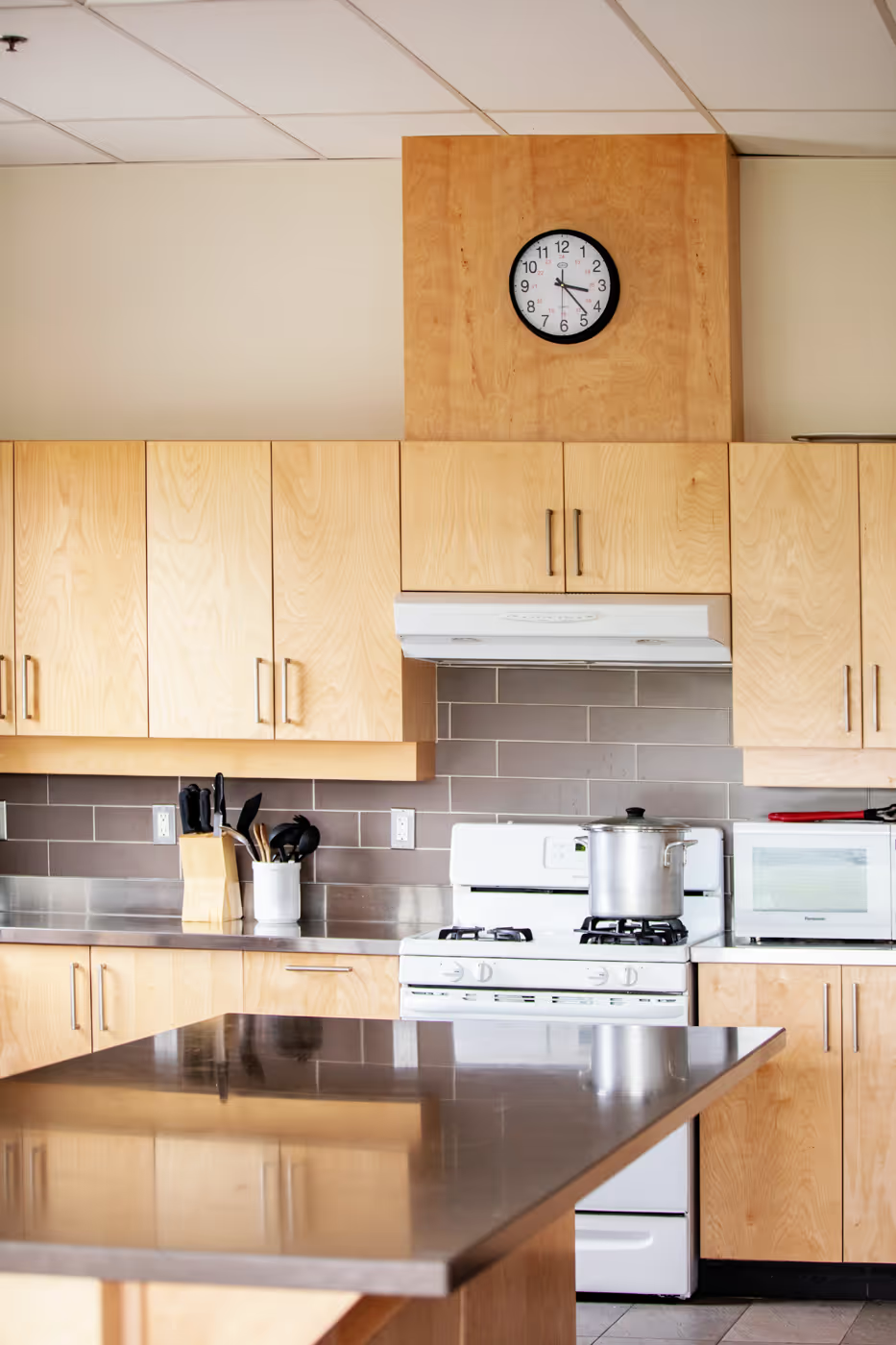
The plan unites Brampton Fire Services and Peel Regional Paramedic Services in a coordinated layout that respects distinct operations while sharing critical infrastructure. Three apparatus bays—two drive-through—anchor the fire side near gear care, decontamination, SCBA and compressor rooms, and dedicated storage. The paramedic satellite station mirrors that discipline with two drive-through ambulance bays, a crew lounge, kitchenette, office, and washrooms. Shared mechanical and electrical systems tie the halves together for dependable performance.
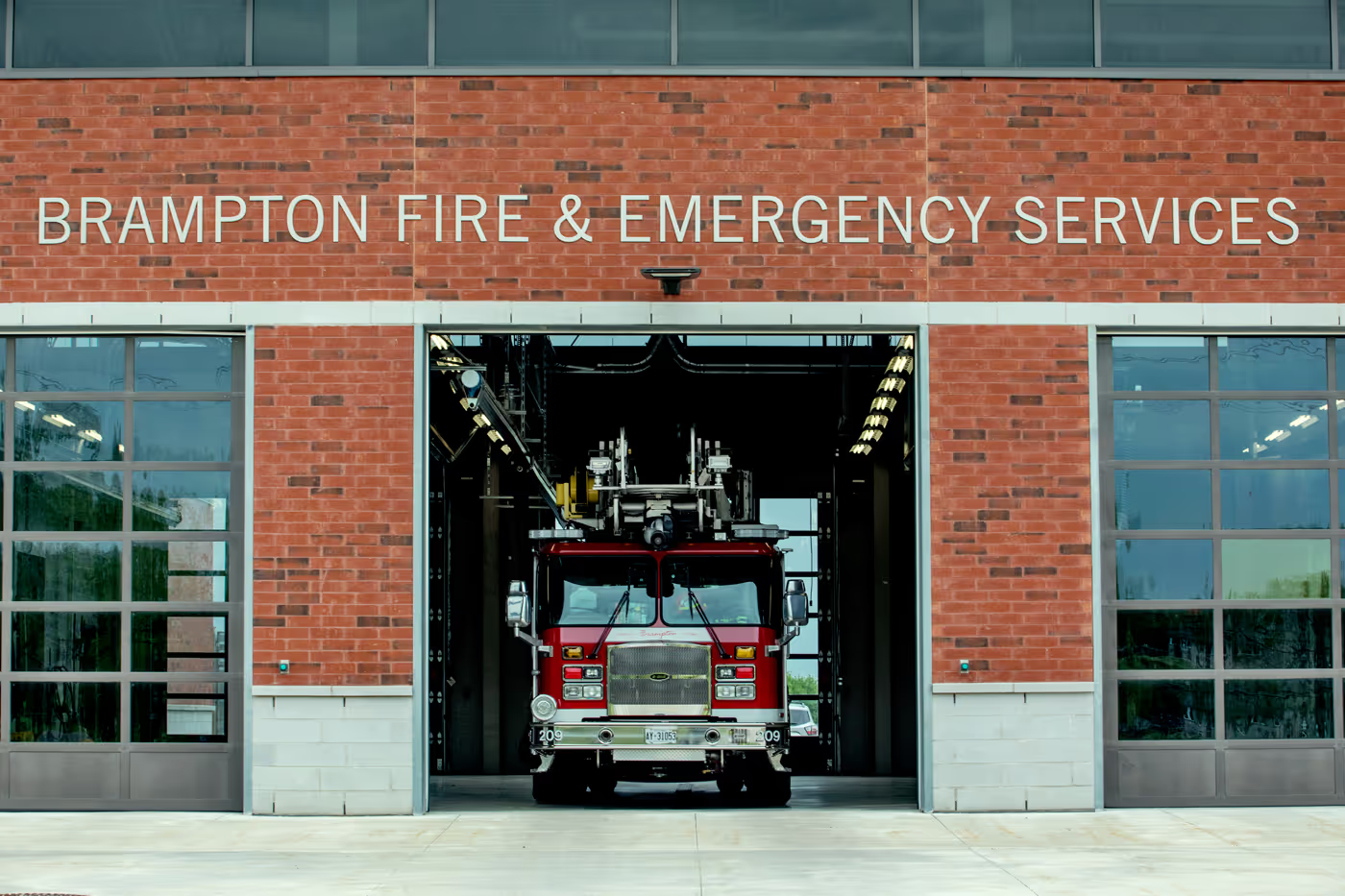
Set beside farmland and a natural reserve, the architecture carries the character of Southern Ontario’s heritage halls—deep red brick, a modest tower, and honest detailing that will weather with grace. Approach visibility, clear wayfinding, and safe turning radii shape the site; staff and visitors move from arrival to entry with intuitive ease. The result is dignified and unmistakably civic.
Interior life is sequenced for people who run toward emergencies. After a call, crews flow from apparatus to gear care, then to day room and kitchen, fitness and lockers, dorms and captain’s quarters. Spaces feel purposeful and calm, supporting recovery, readiness, and teamwork.
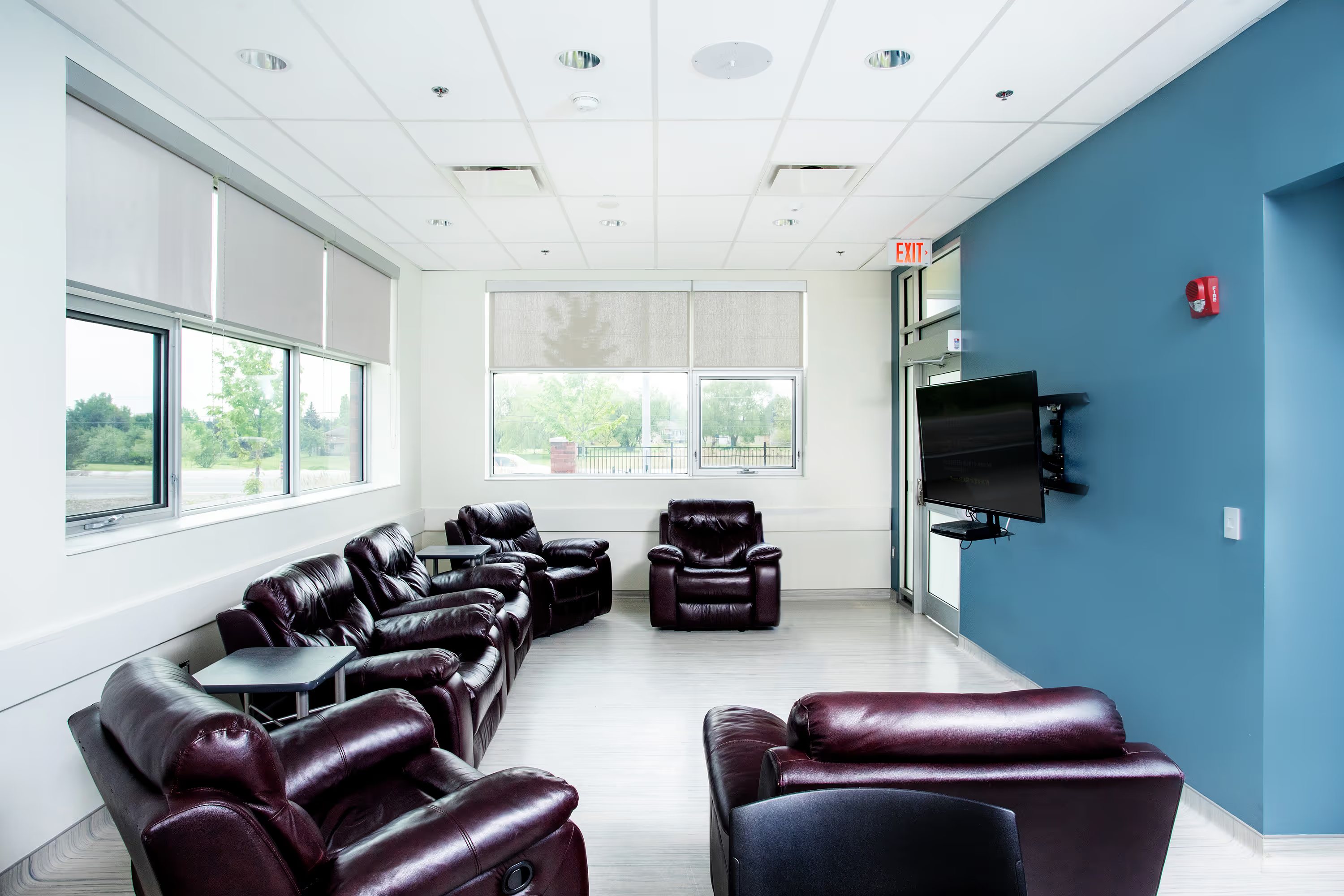
Sustainability guides the building’s long life. Rainwater harvesting eases potable demand. High-albedo roofing tempers heat gain. EV charging prepares a lower-carbon fleet. Continuous outdoor air and CO₂ monitoring protects indoor air quality, while measurement and verification allow data-driven tuning over time. These strategies delivered LEED Gold, pairing energy and water savings with high construction waste diversion and responsible material choices across recycled content, regional sourcing, and FSC-certified wood.
Complexity was managed through structure and clarity. Two client organizations brought unique standards; alignment came through targeted workshops, test-fits, and disciplined decision logs. When the Region’s redesign of The Gore Road deferred permanent services, the team advanced temporary storm and septic solutions to keep the project moving. A severe winter extended construction from twelve to fifteen months; proactive change control and steady communication held the quality line through completion.
The story extends beyond operations. In partnership with STEPS Public Art, the station’s glazing carried a vivid mural of local wildlife and agricultural heritage. Residents recognize it instantly; a civic building becomes a shared reference point.
Essential infrastructure can be high-performing and warmly human—engineered for velocity, crafted for longevity, and rooted in place. This station shows how thoughtful planning, resilient delivery, and sustainable design create a facility that the community trusts every hour of the day.