%201.avif)

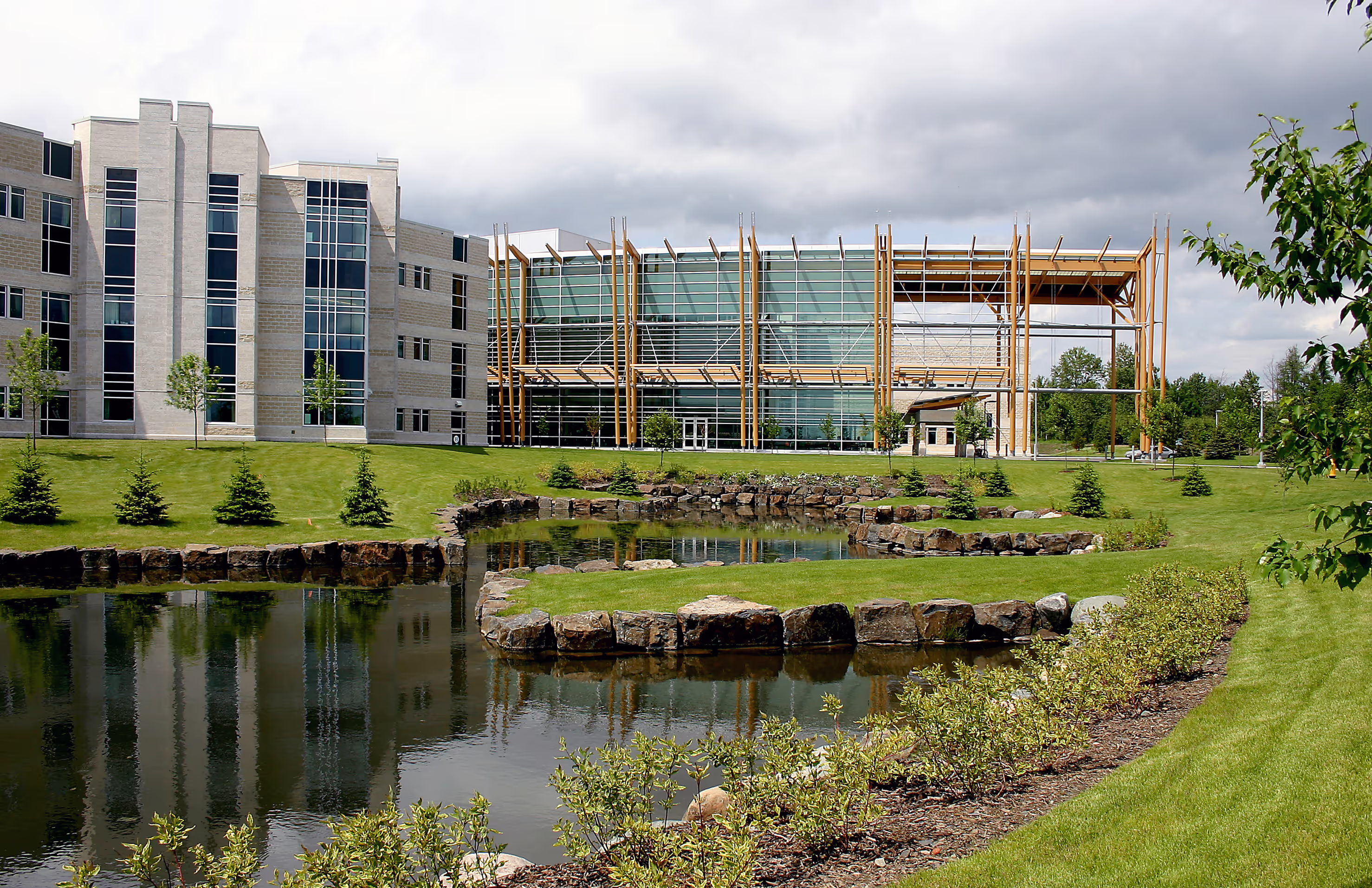
The TBRHSC is a 375-bed Regional Hospital that includes the Northwestern Ontario Regional Cancer Centre (NWORCC) and contains several industry firsts in both design and construction management delivery method (CCDC5B) of hospitals in Canada. Following extensive research, a variety of environmental design aspects were incorporated into the design including passive solar design elements incorporated into mechanical systems, natural ventilation, solar chimneys, photovoltaics, green products that limit off-gassing, progressive site strategies, and stormwater management solutions. At the time large institutional buildings had an acute absence of these passive elements that have since been timelessly proven to reduce operating costs, benefiting their tight operational budgets.
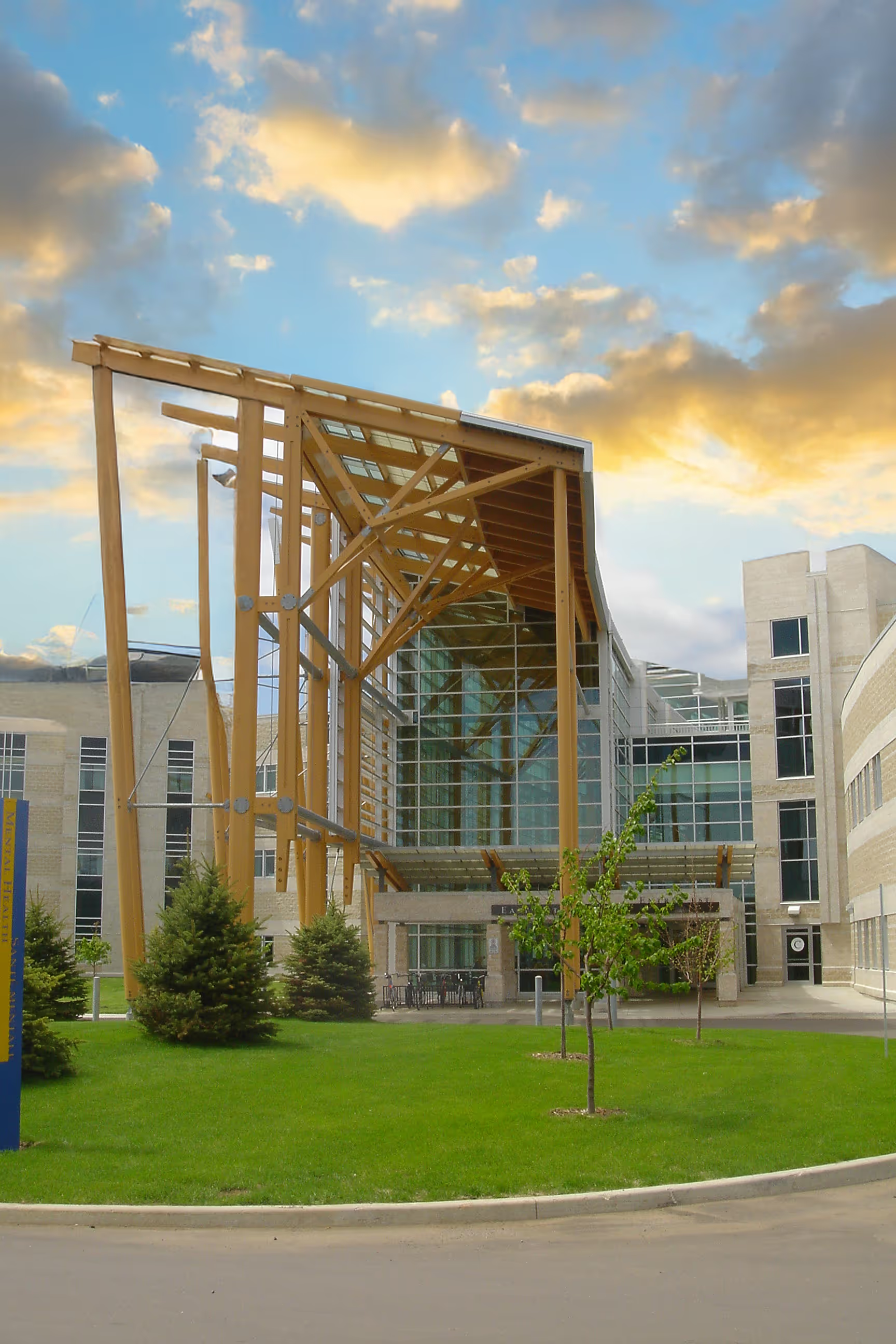
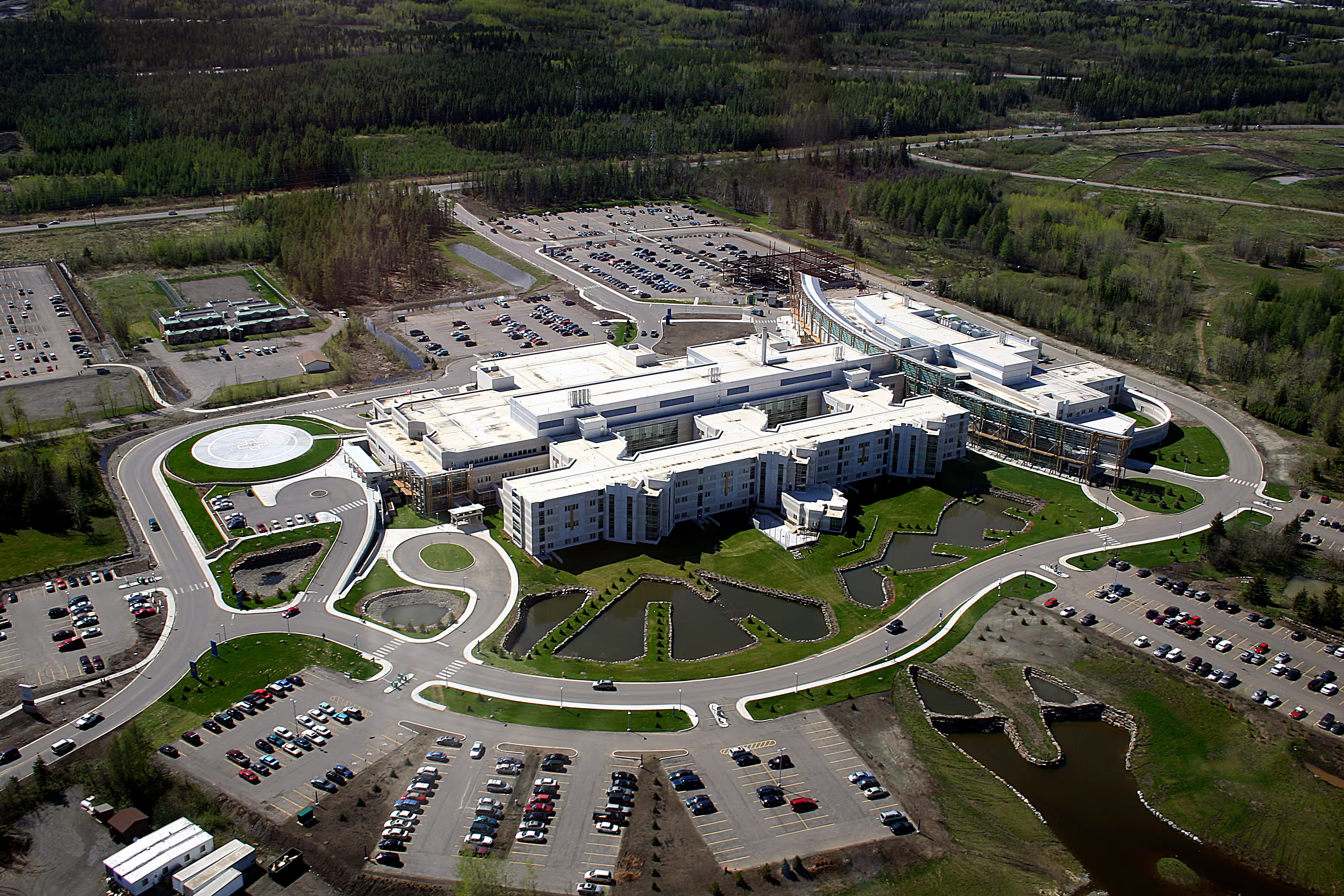
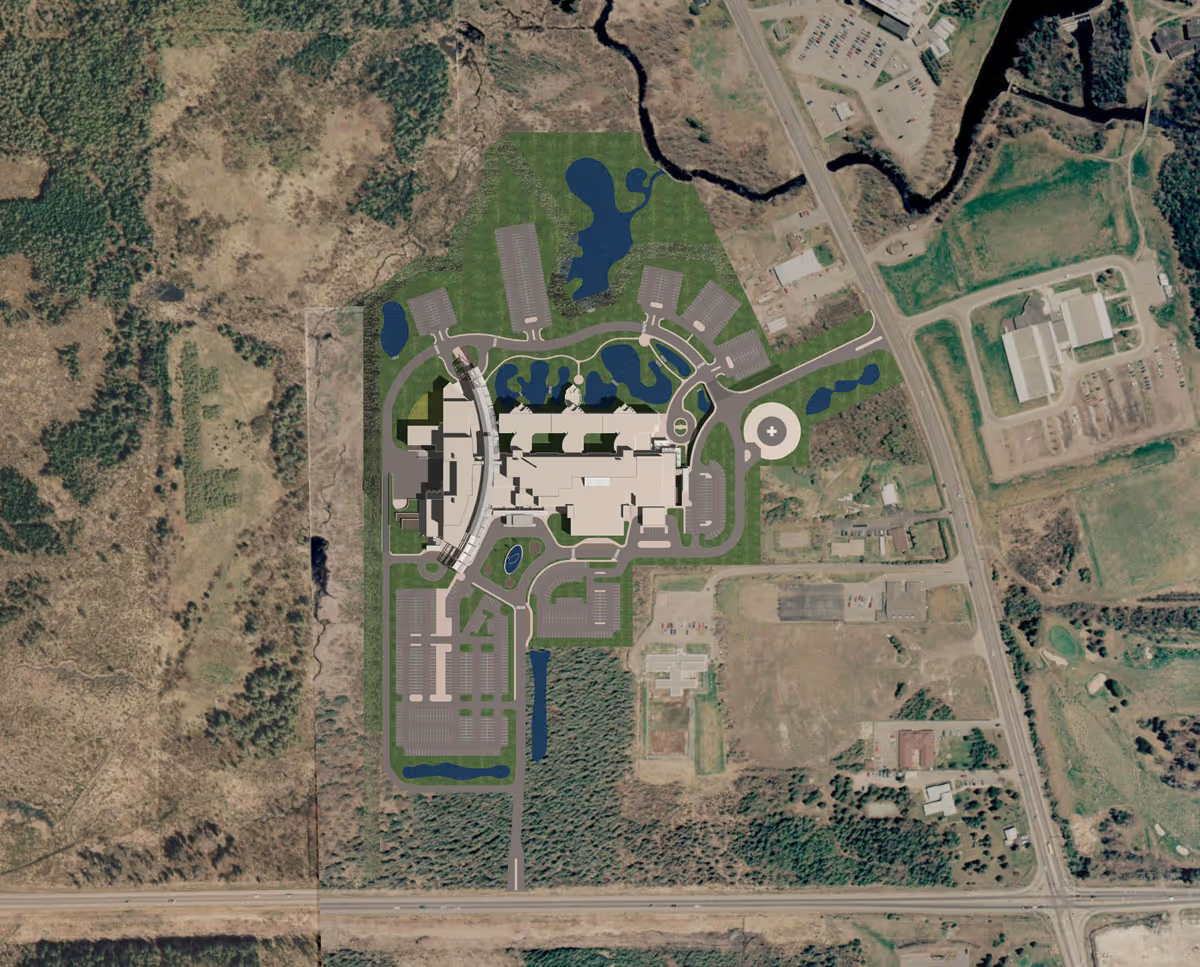
Innovation and operational design featured heavily in the development of the TBRHSC which focused on patient recovery and occupant wellness, spatial workflow performance and future capabilities of the hospital to address regional growth expectations.
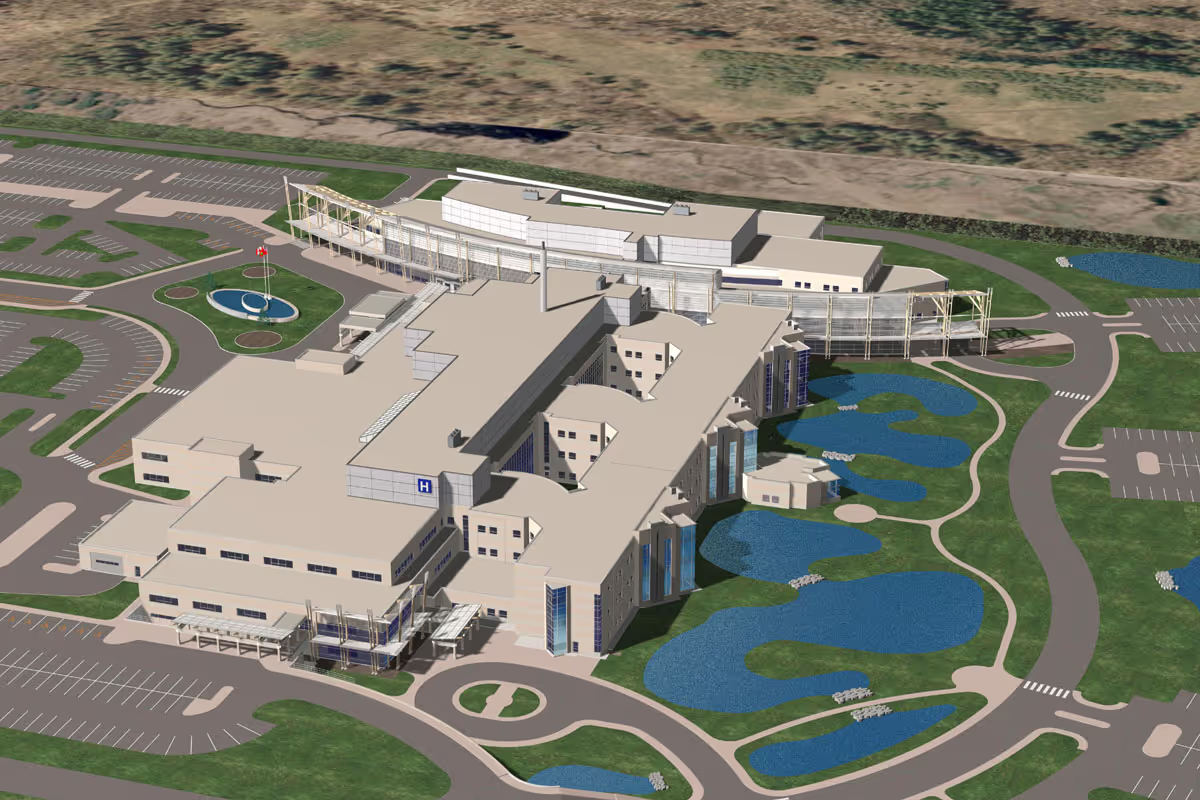
The three-storey layout is organized in a “T” form with two main building blocks and a modular frame of 9m x 12m for ease of installation and future department layout flexibility. Traditionally, hospitals had been designed with the departments (operating suites and clinics) in a podium with the nursing patient beds placed on top. The grid for the podium is different from that of the patient bed areas, and mechanical and electrical services and shafts create conflicts that result in compromised layouts. Our approach was to separate the two, placing them side by side. This allowed the flexible grid housing clinical departments to adapt and change over time without affecting the patient areas.

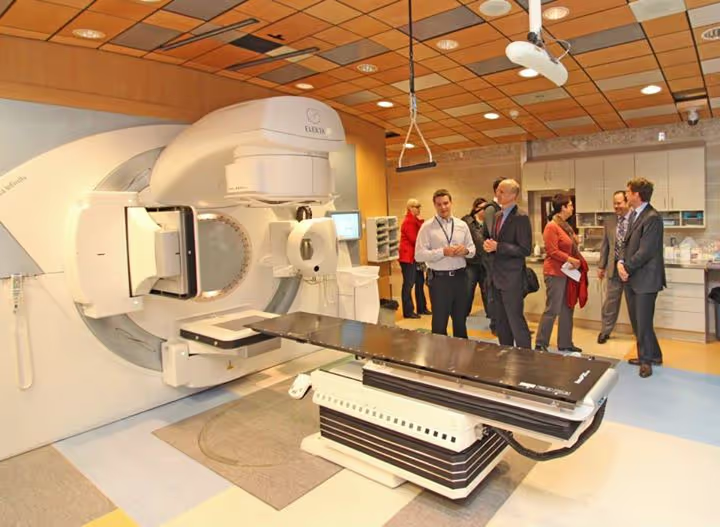
It was the first hospital in the country to bring daylight into the cancer radiation bunkers with the use of skylights within the treatment bunker itself. While technically challenging to control radiation, the impact on the psychological wellbeing of patients has been enormous. It is also one of the first hospitals in the country to bring daylight into the heart of traditionally dark nursing stations for the benefit of the staff who work long shifts, and the patients.
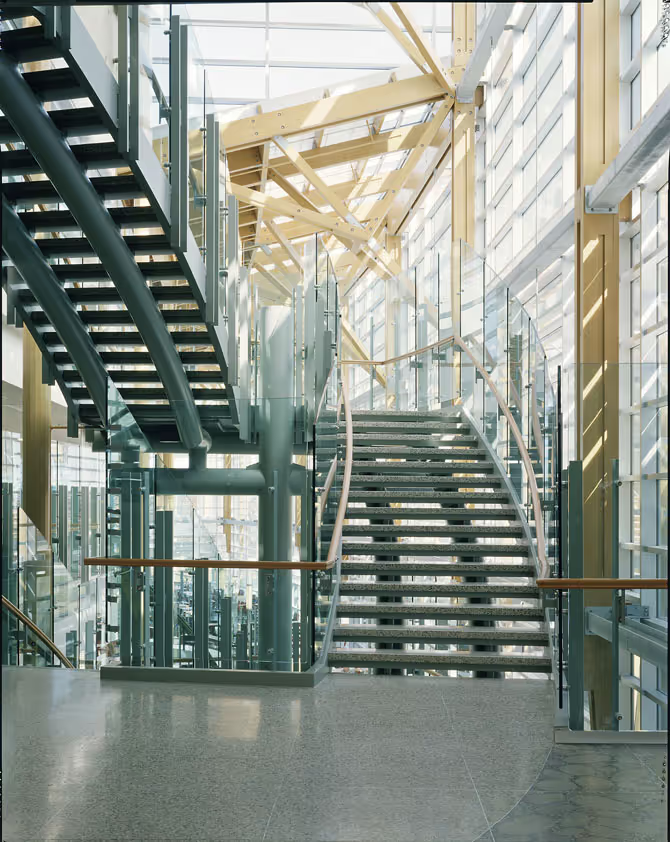
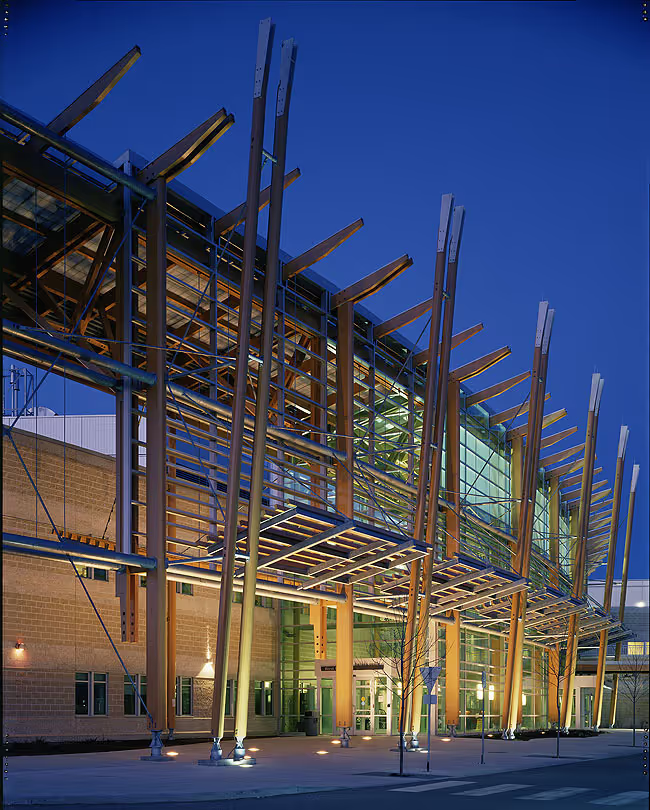
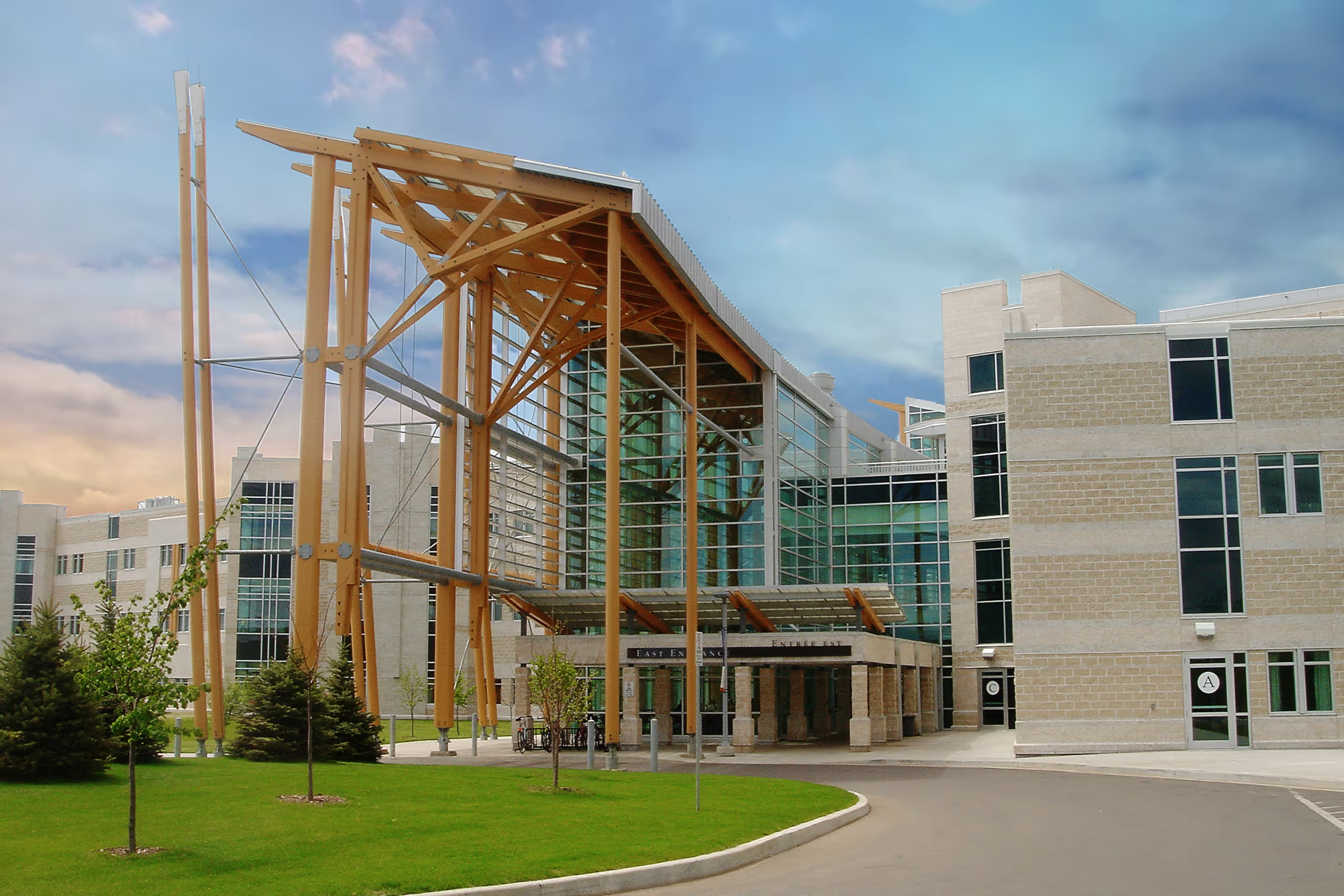
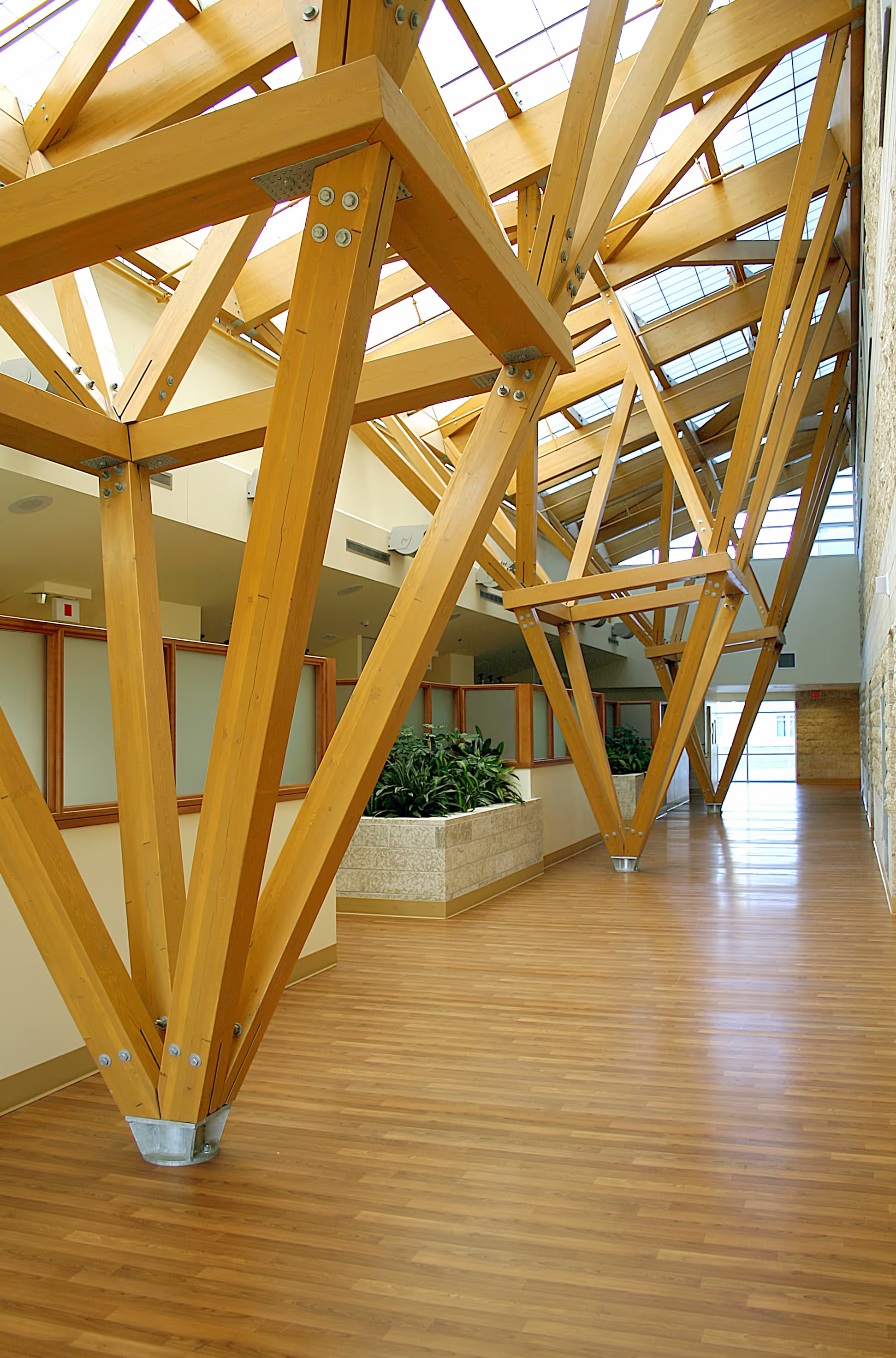
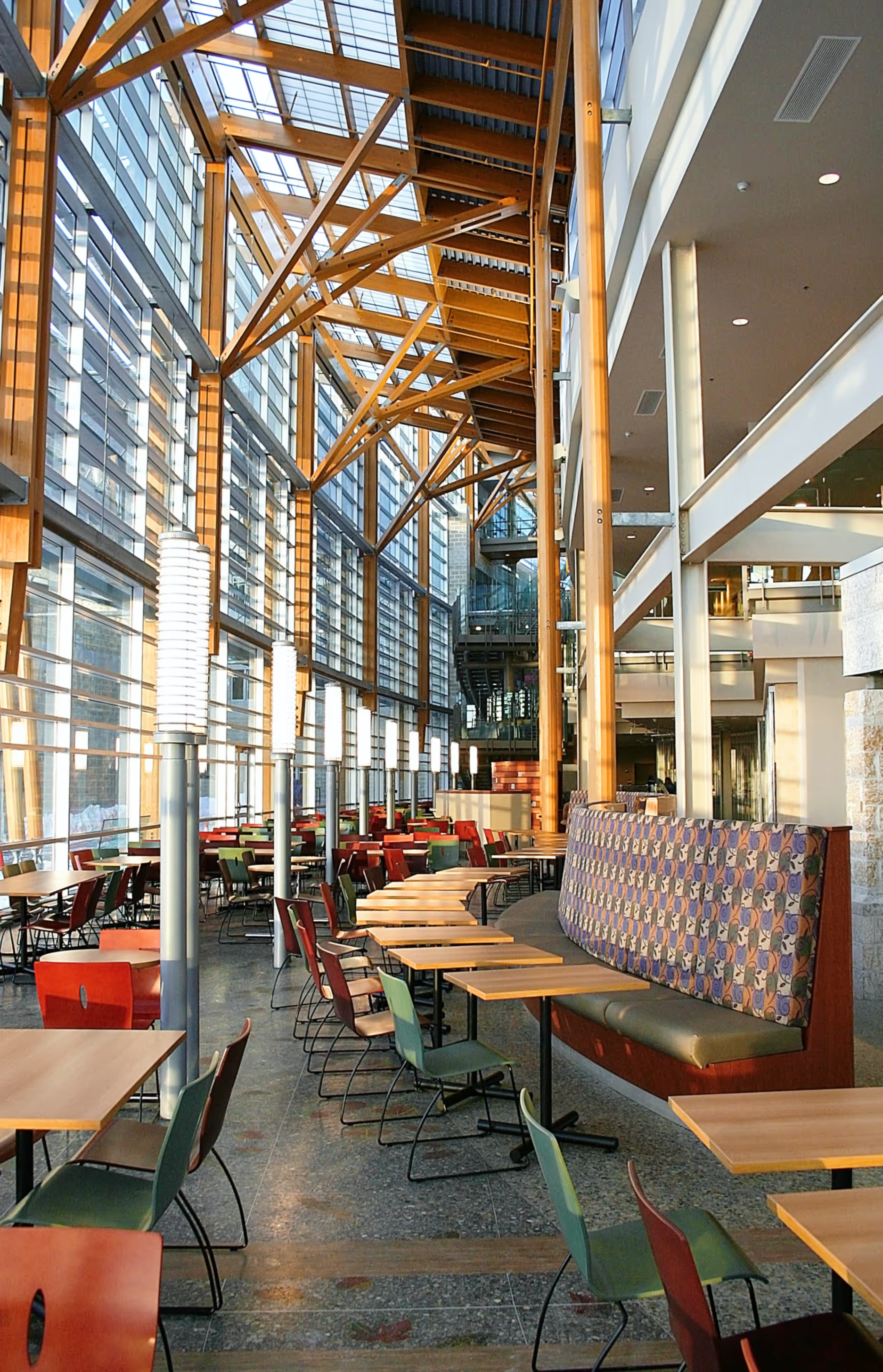
It was the first hospital in Canada to use mass timber extensively through the structure of the main public areas of the entire building, which hadn’t typically been permitted by the Ontario Building Code back in 2000. During design commencement we were challenged by the owner to ensure the new facility would honour and reflect the North. A natural selection for its earthly connection and healing properties, wood was selected as the material of choice for the structure of the main public areas of the hospital and the cancer centre. We were successful in negotiating with the Building Department and the Ontario Fire Marshall to implement this groundbreaking initiative.
From a technical standpoint, the firm introduced the advanced Fog Fire Suppression System to Canada, a system previously only used in Europe. The system’s acceptance in Canada required extensive full mock-up tests at the National Research Canada Laboratories in Ottawa. It is a system that increases life safety while reducing damage to owners’ properties, not only from fire and smoke, but also water damage from the fire suppression system itself.
Delivering this highly complex construction project and managing it from a distance was challenging and proved highly rewarding for the team. As Salter Pilon Farrow Architects, our project architect was leading the first health care project in Ontario of this size under a Construction Management delivery method. During the fast-track construction management process over 60 sequential tenders were being managed both concurrently and subsequently, including an additional six procurement only tenders over its duration.
Since the success of TBRHSC, numerous hospitals have embraced this delivery method to expedite the design and delivery process and open doors for the service of their communities. Traditionally, healthcare architecture takes between eight to ten years to realize a hospital in Ontario; an environment that is desperate for new care centres. By utilizing this method, our team was able to manage concurrent planning, design, and construction activities in order to provide the community with a full-service hospital and cancer centre in only 4.5 years.
The award-winning project includes:
Project successfully designed and completed as Salter Farrow Pilon Architecture (Successors Salter Pilon Architecture; Farrow).