%201.avif)

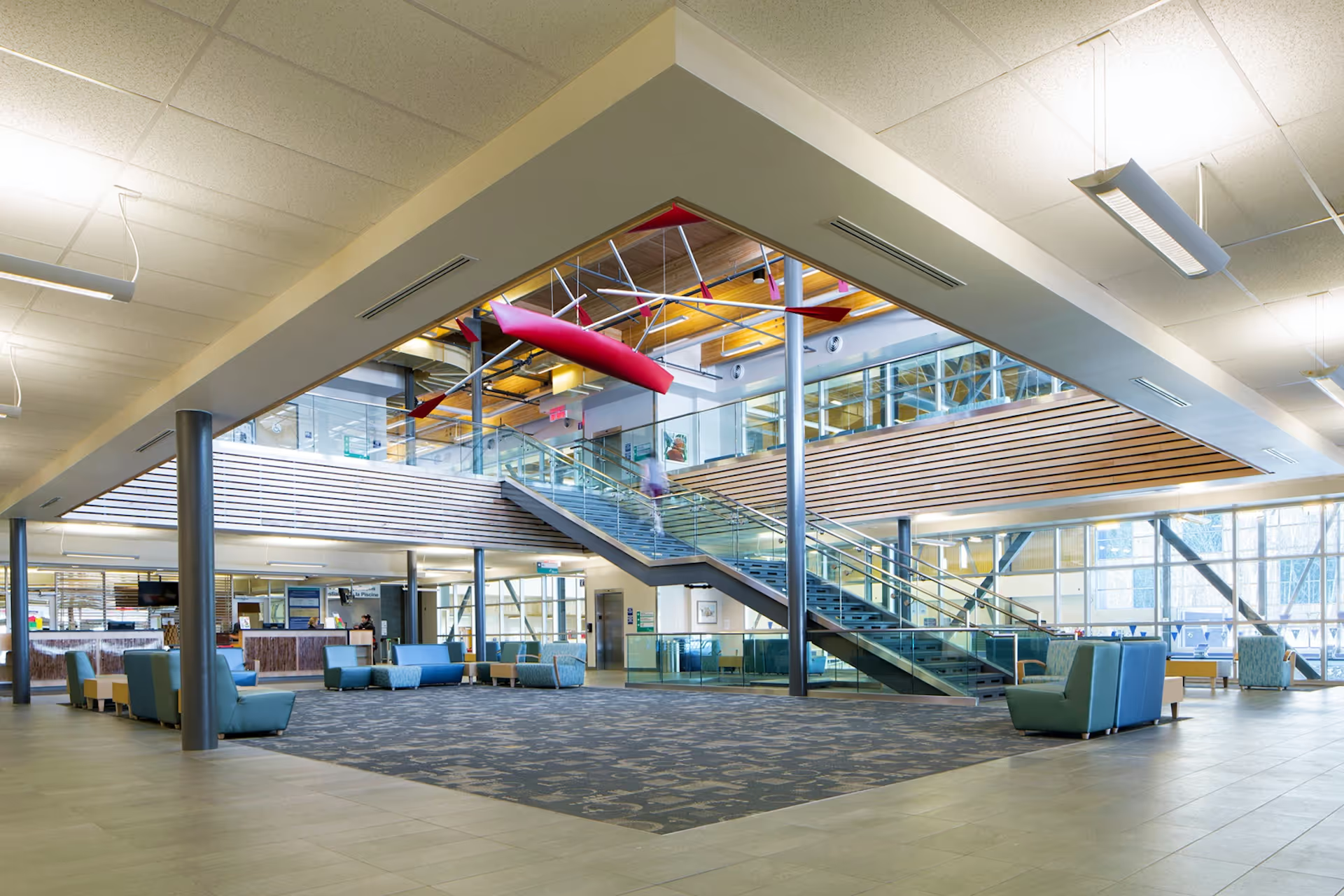
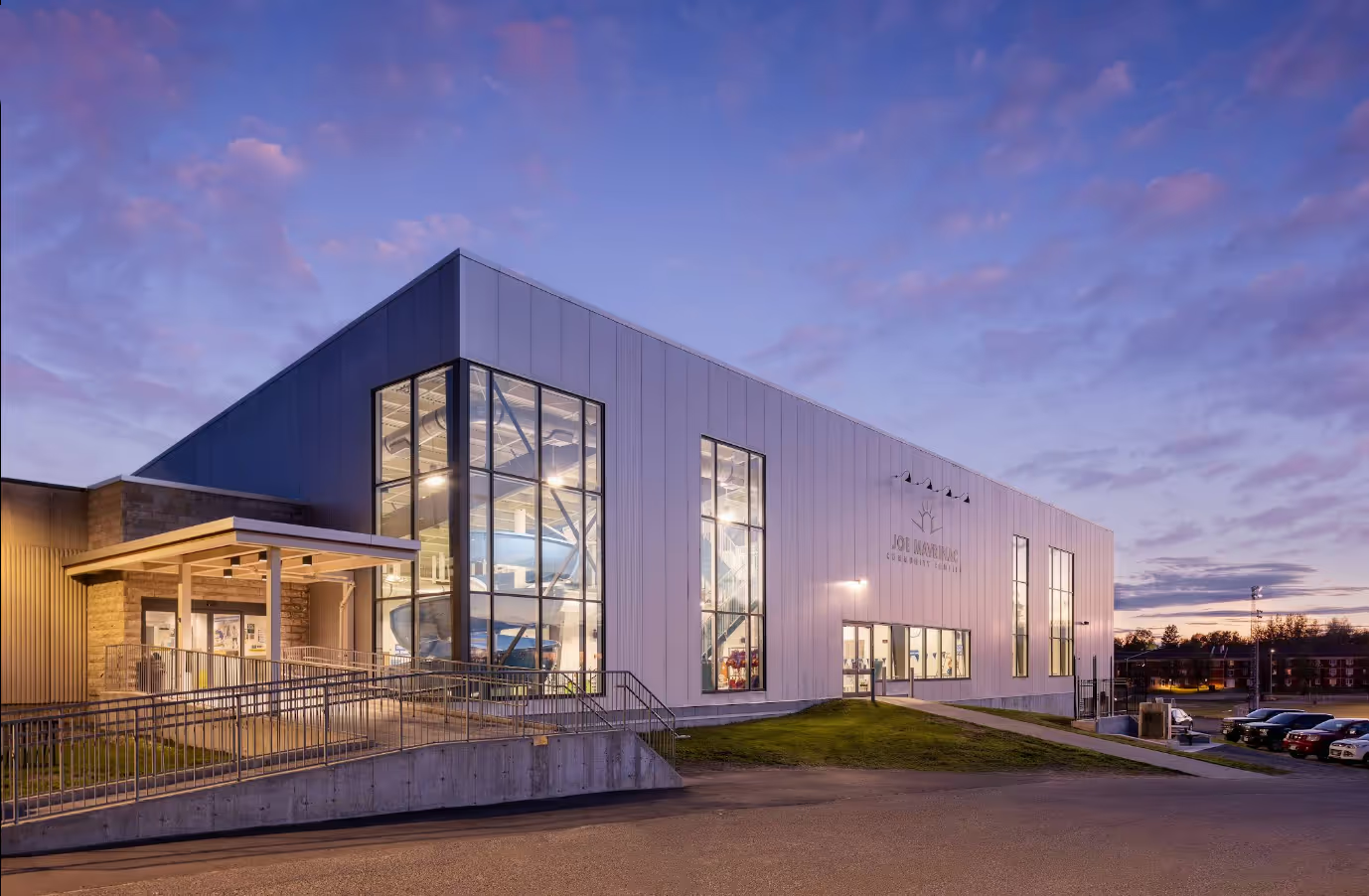
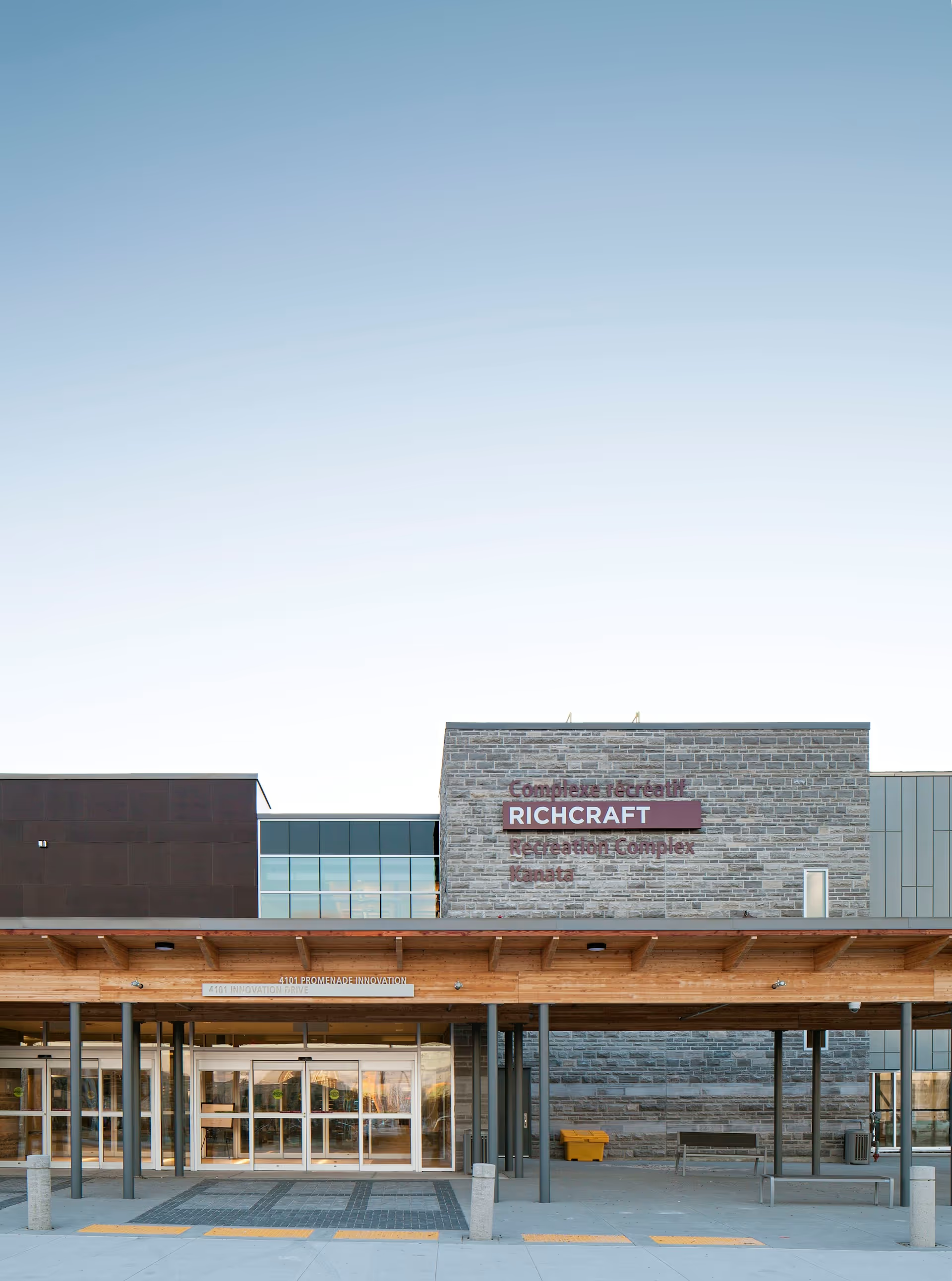
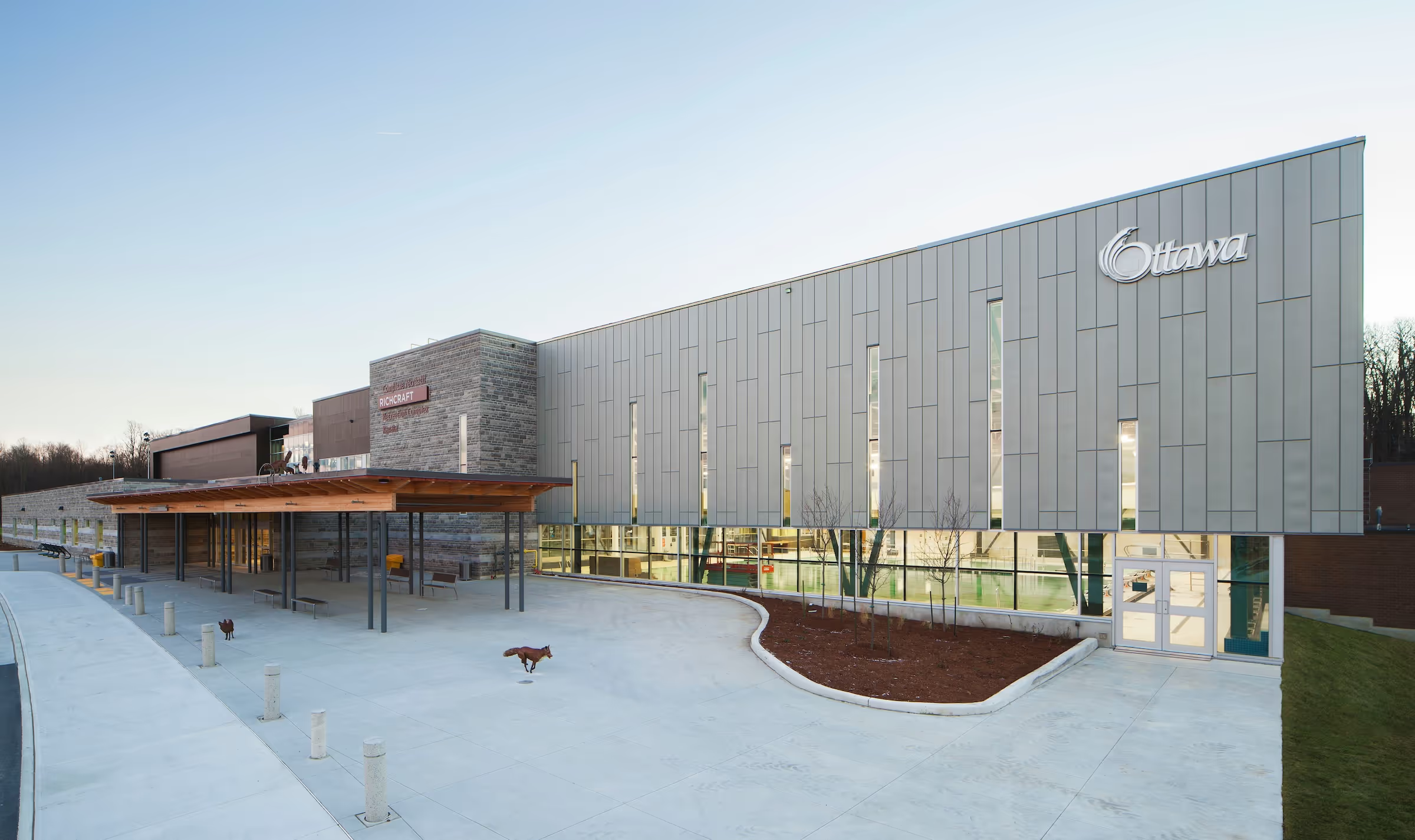
Architects, community stakeholders and government came together to realize a sustainable vision for the Richcraft Recreation Complex. Public consultation drove many of the priorities of this project which has been hugely successful and a recipient of a Wood Design Award for Green Design from Wood WORKS! Ontario making it an excellent example of beautiful, sustainable, municipal infrastructure. It features a fitness facility, community spaces, a double gymnasium, an 8-lane 25 metre pool and leisure pool/whirl pool, and targeted a LEED Gold certification from the outset.
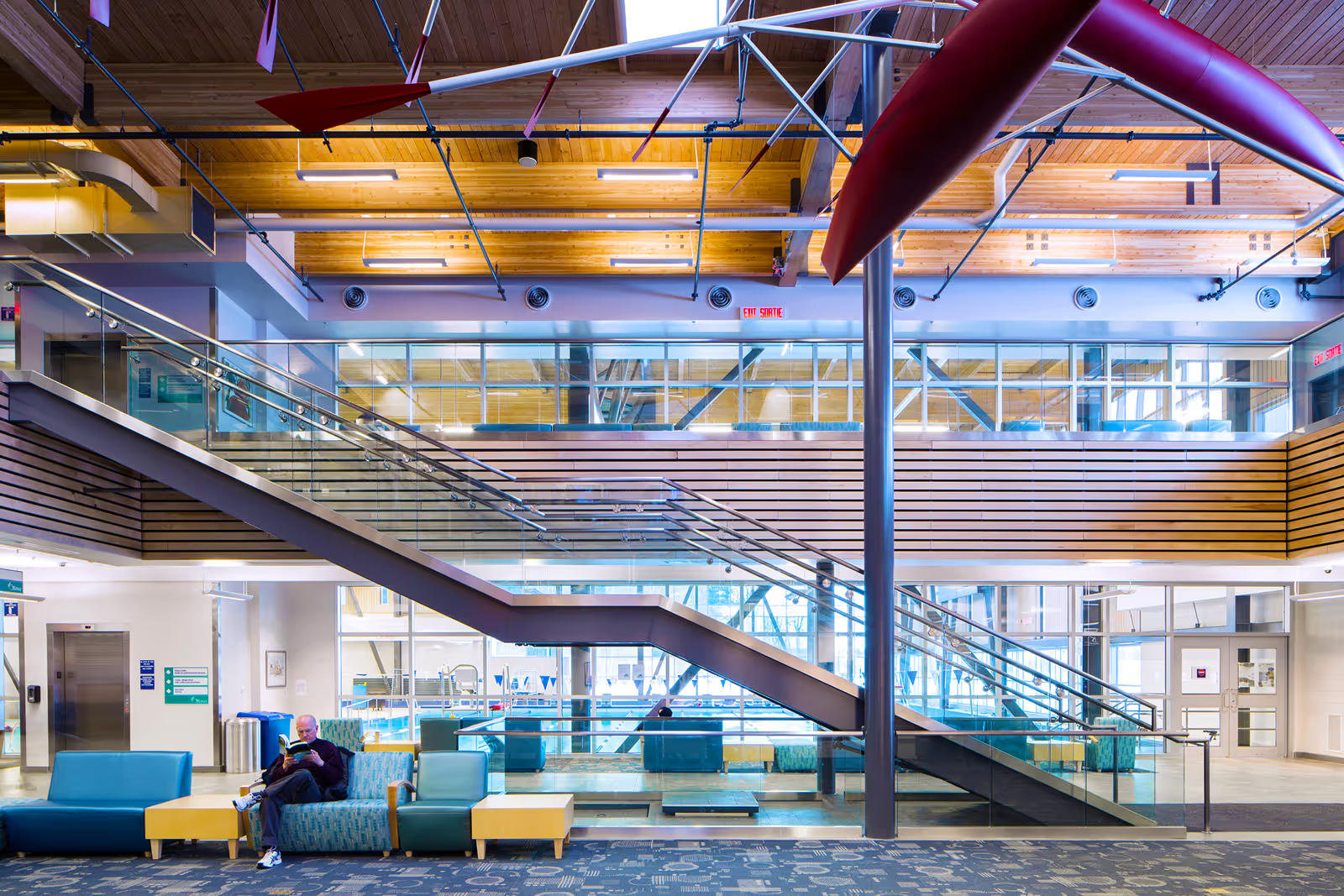
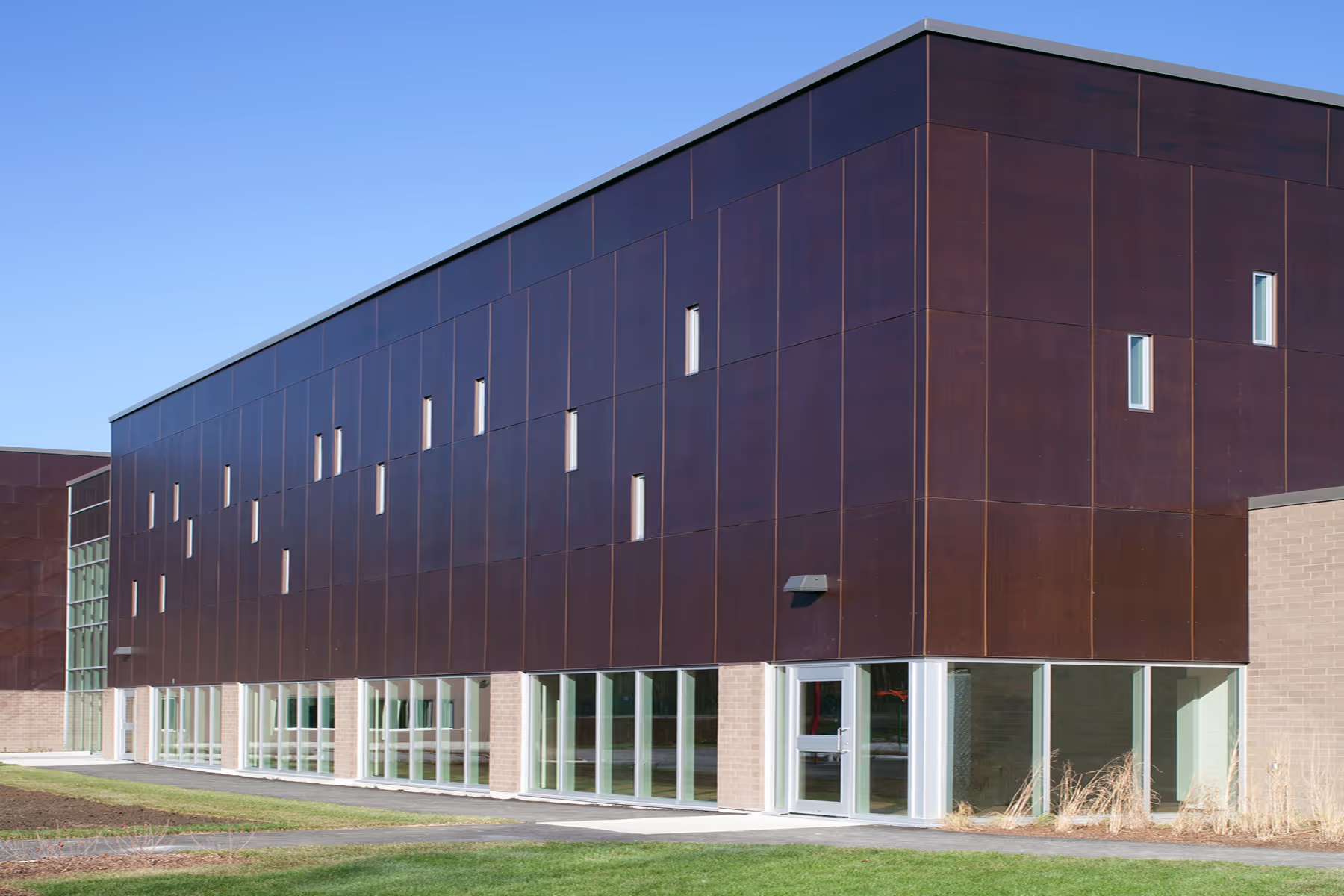

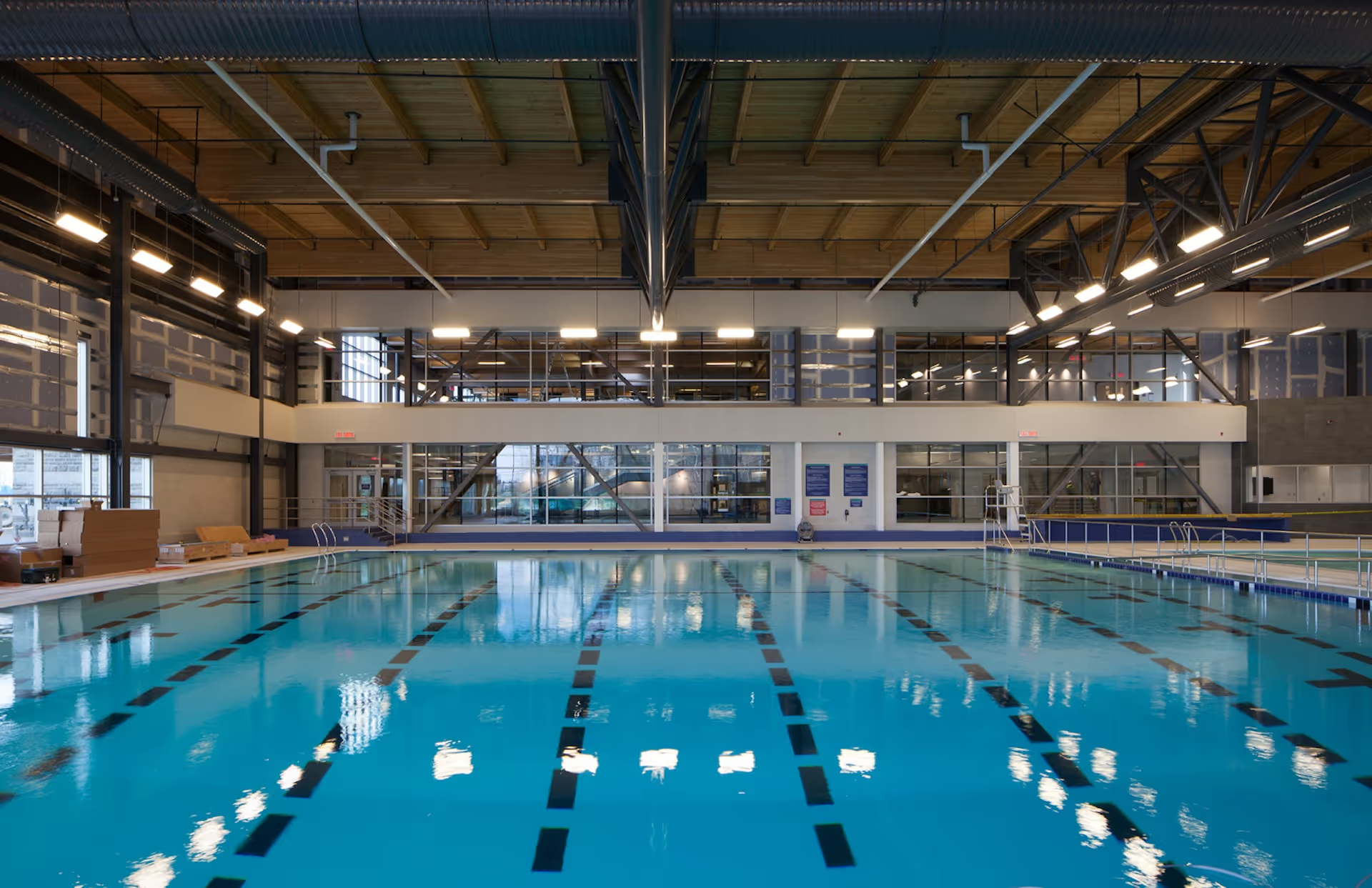
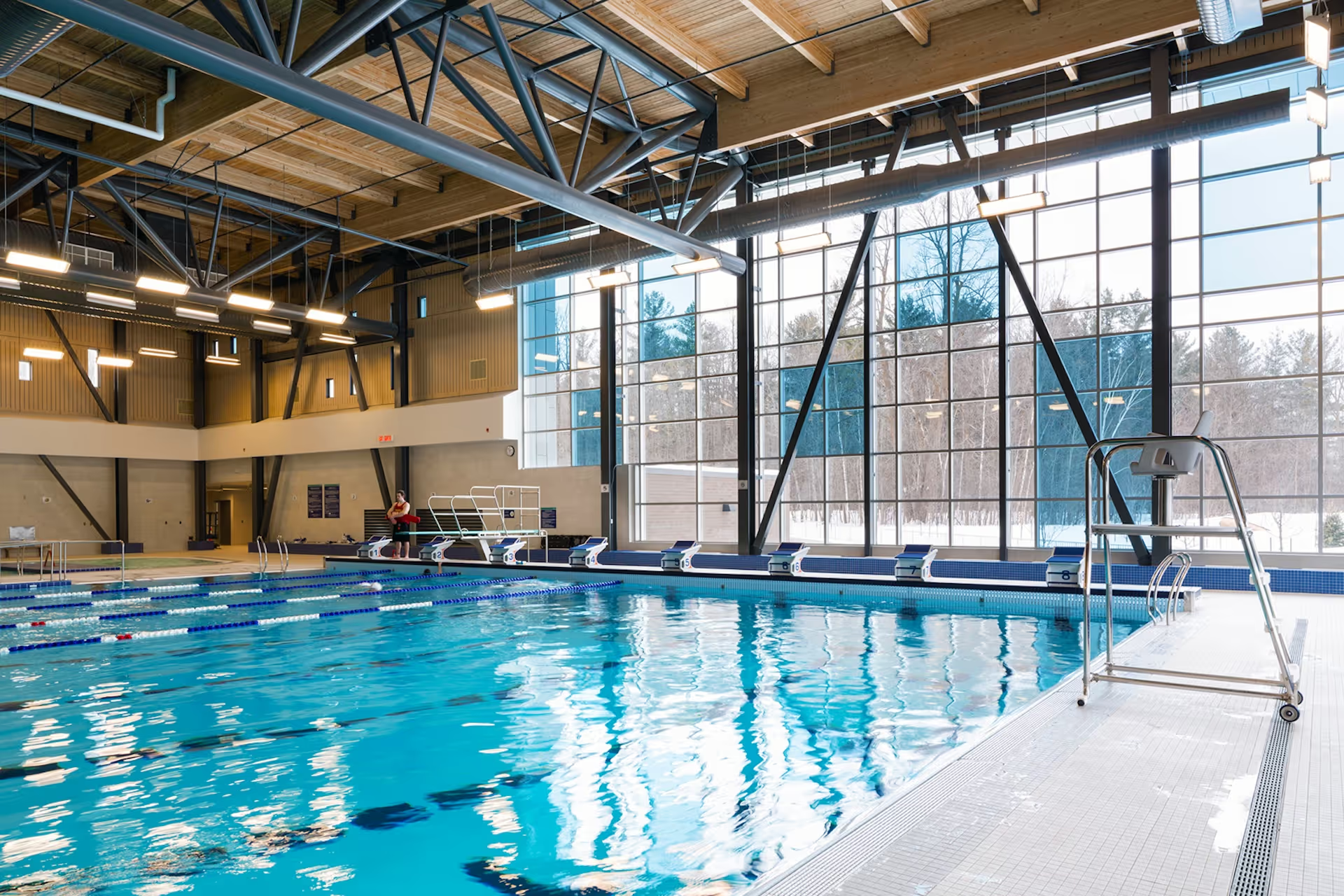
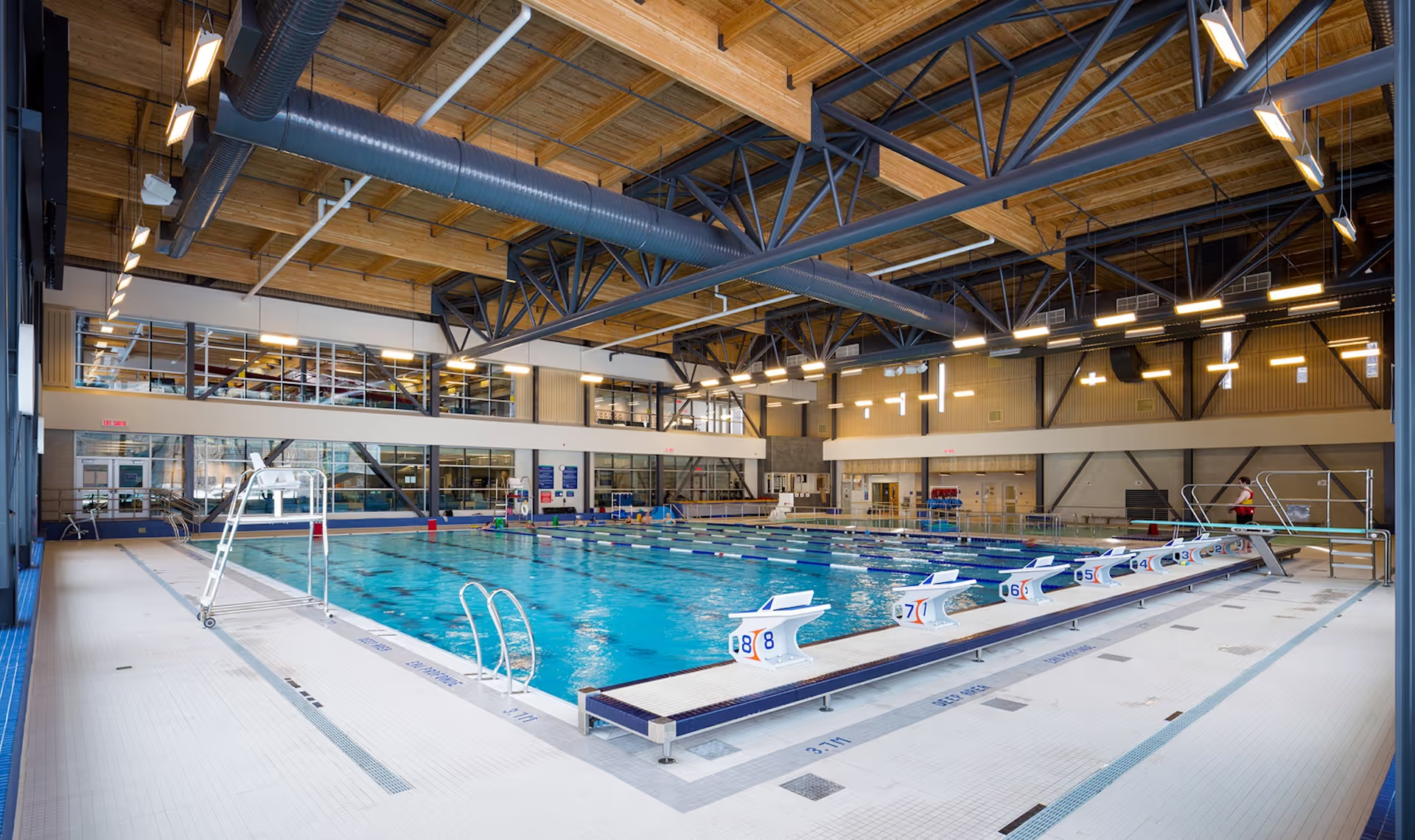
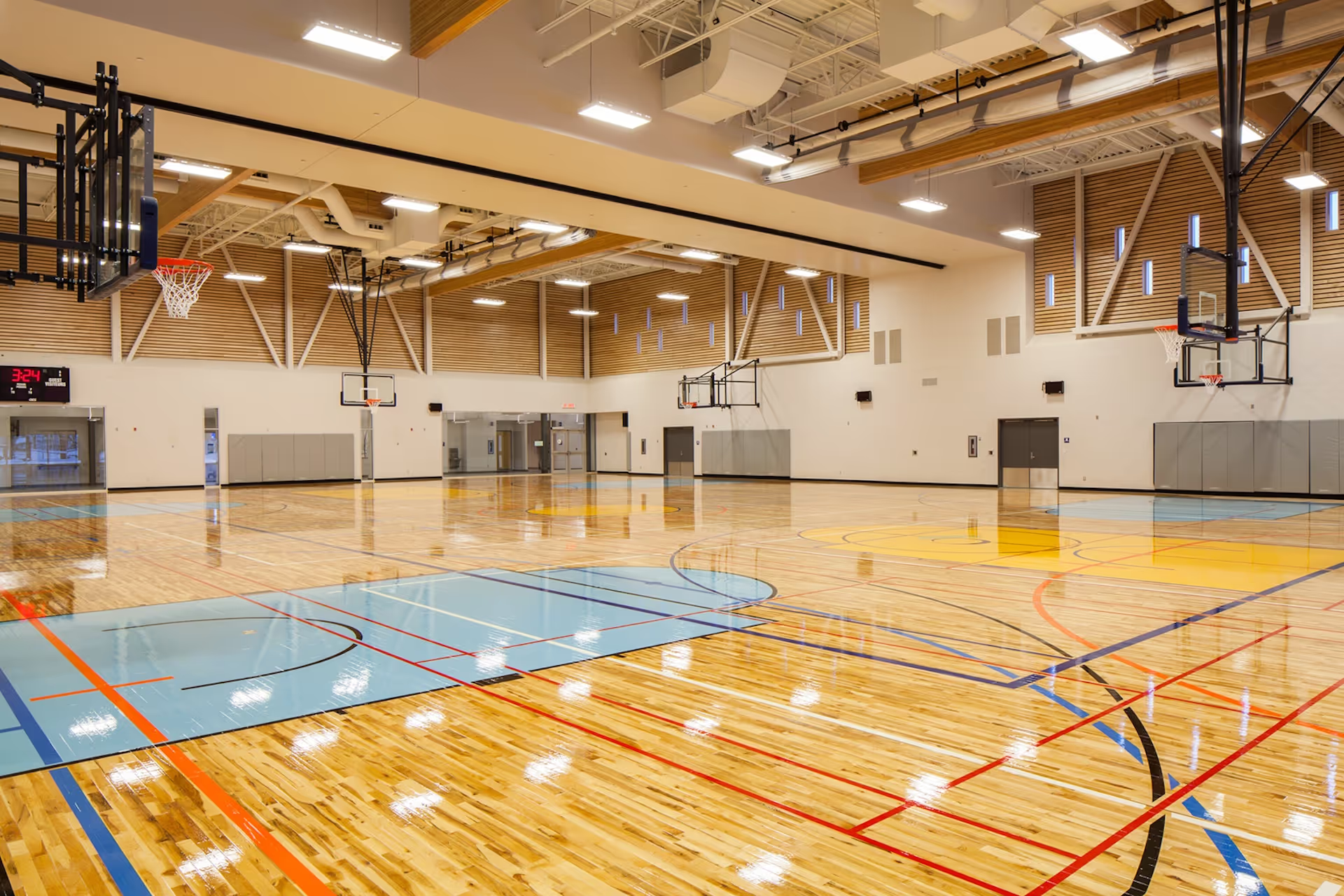
The complex offers a range of community and recreation facilities, including a 3,500 sq. ft. fitness facility featuring cardio and weight training, two large gymnasiums complete with changerooms, community rooms, and various multipurpose rooms. One of the most popular aspects of the plan was the eight-lane swimming pool. Traditionally, city recreational facilities feature six-lane pools, but the public was so adamant that an eight-lane pool be installed, the community steering committee raised $1.7 million to put toward the cost.
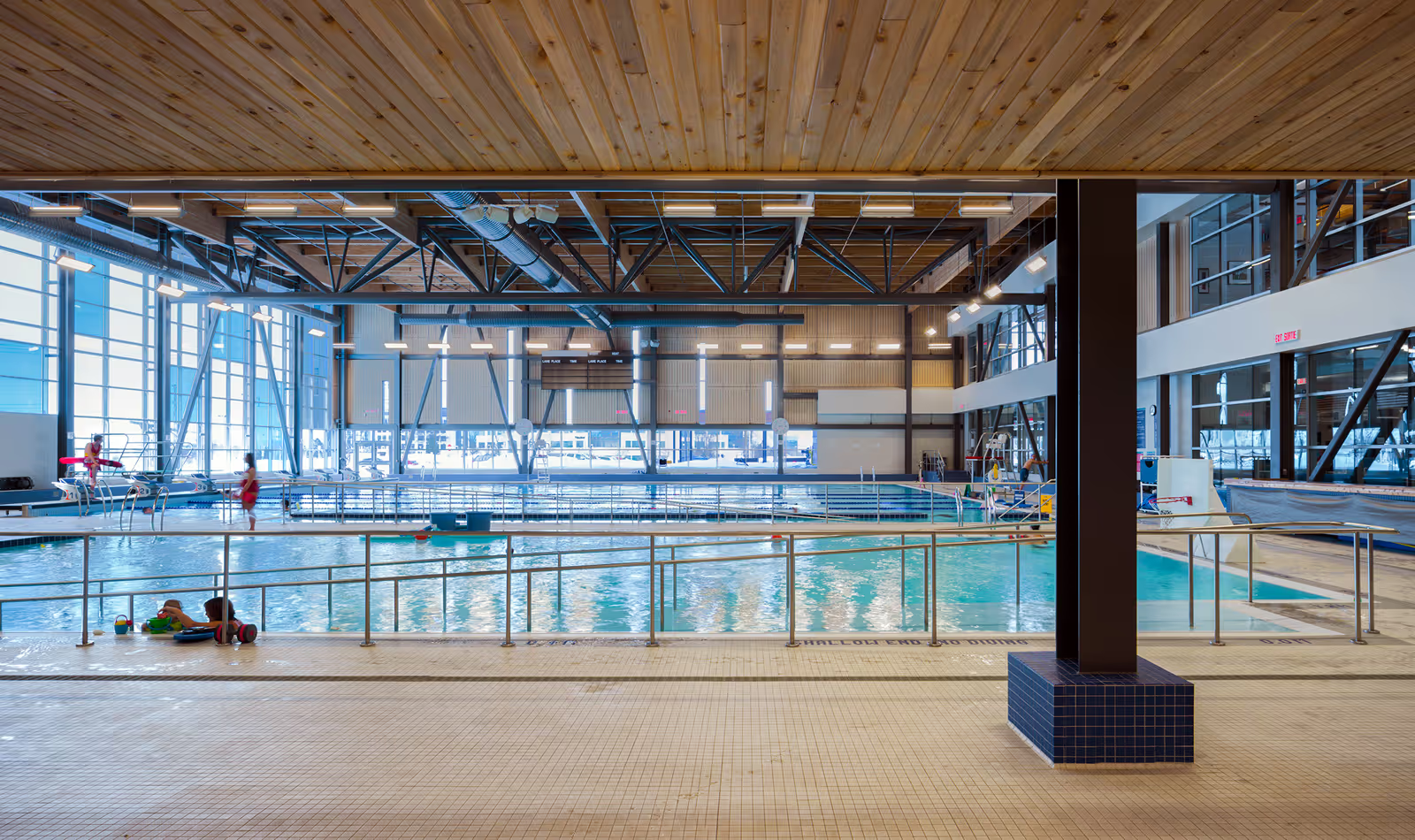
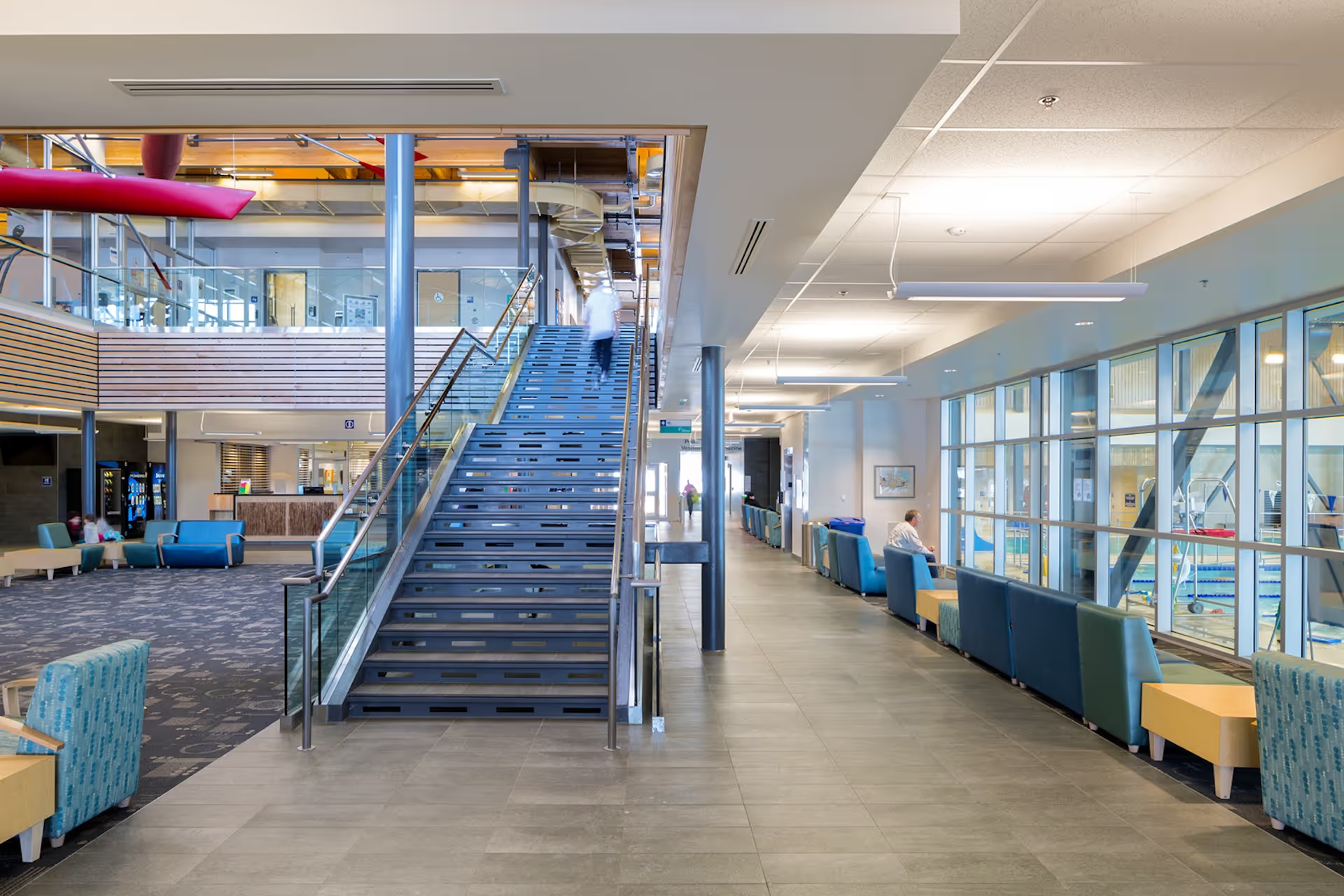
The swimming pool facility is located in the north-west end of the building. It has a double-height space over the lap pool deck, with upper storey windows to the green roof. The ceiling drops to single height over the leisure pool area and change-room access points. Glazing in the lobby/reception and entrance provide viewing areas down onto the pool deck, which is 0.6 metres below the floor level of the lobby/reception.
The site has outdoor recreation areas including two large artificial turf sport fields, a children’s play area with splash pad, two basketball courts, and a skateboard plaza. The complex takes advantage of existing trails with an outdoor education centre, and cross-country ski trails for use in the winter months.
Capturing the LEED Gold standard, the facility’s structure utilizes 341 m³ of wood in the form of glulam beams and tongue-and-groove decking. The WoodWorks Carbon Calculator used the volume and species information to estimate the total mass of wood in the building and the associated carbon impacts. The structural wood materials in RRCK sequester 269 metric tons of carbon dioxide and, by using wood instead of another building material, an additional 524 metric tons of carbon dioxide (greenhouse gas) emissions were avoided. This net carbon benefit of 793 metric tons of carbon dioxide is equivalent to taking 151 cars off the road for one year.
One of the natural properties of wood is its ability to absorb and release moisture. This hygroscopic effect will result in a moderate level of humidity at all times and improved air quality. Cedar panels were also used within the sauna for the same reason. When you celebrate wood you encourage the continued use of a great renewable resource.
Contributing to the facility’s LEED Gold certification, mechanical systems minimize energy use, and follow environmentally friendly principles. These systems include:
Efforts were made to ensure public inclusiveness, creating an atmosphere reflective of a home with a big backyard rather than that of a generic institutional recreation complex. The overall vision of the complex was to facilitate community organizations and individuals in delivering services; provide universal access to programs to all who wish to participate regardless of ability, gender, faith, race, or socioeconomic status; and provide flexible, accommodating activities delivered by various community organizations or individuals.